Politics news and discussion on TalkFuse.
GOP loss culprit? Trump dismal approval ratings track gas prices almost 1-for-1
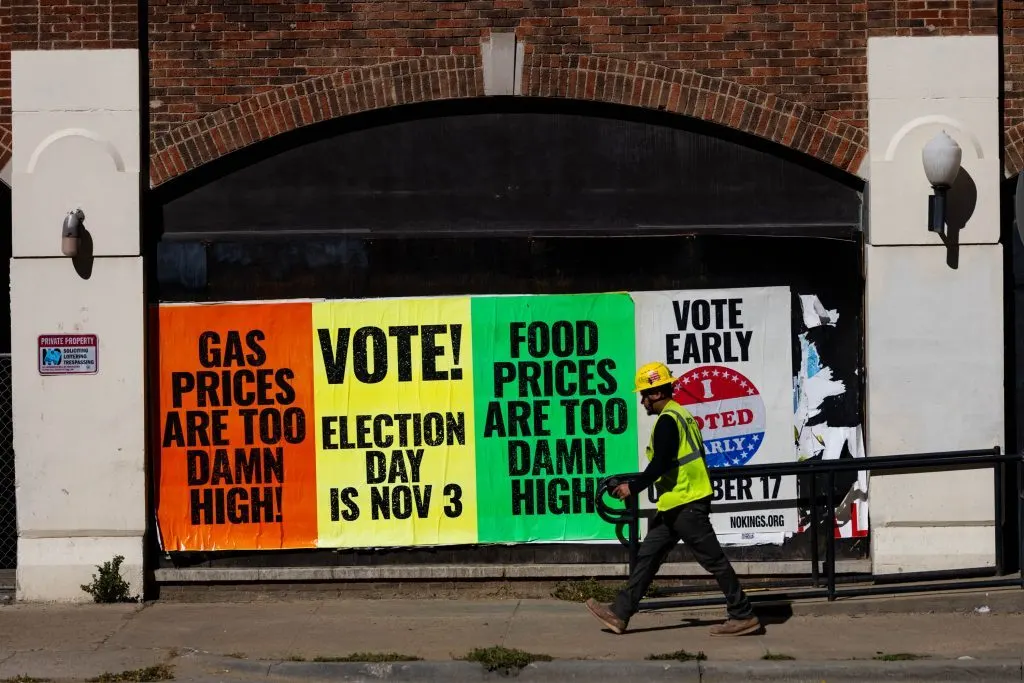
Rising petrol prices have closely tracked a decline in Donald Trump’s net approval rating since global energy disruption began with the war in Iran at the end of February. The article says the relationship may have hurt Republicans in the midterm elections, as fuel costs became a prominent concern for voters.
From February to November, petrol prices rose from about $3.02 a gallon in early March to $4.49 in mid-May, while Trump’s net approval fell from -6 a month earlier to -17.50. Prices eased after a June ceasefire and approval ticked up, before prices climbed to $4.48 in September as approval dropped to around -20.90. The Strait of Hormuz disruptions and reduced global refining capacity contributed to higher costs; on Wednesday, average US petrol was $4.12 a gallon and diesel $6.27. EIA figures also showed Trump’s second-term average petrol price had exceeded $3.46 a gallon, narrowly above Joe Biden’s $3.457.
In short
- Higher petrol prices closely tracked falling Trump approval.
- US petrol averaged $4.12 a gallon on Wednesday.
- Trump’s second-term average edged above Biden’s.
Steelman: both sides, in good faith
The strongest fair case each way — we don't pick a winner.
The case for
The close movement of petrol prices and Trump’s approval ratings suggests fuel costs may have been a politically significant pressure on Republicans. Higher prices are visible to voters and affect household budgets, so it is reasonable to think they contributed to dissatisfaction and electoral losses.
The case against
The parallel trends do not establish that petrol prices caused the fall in approval or Republican losses; other events and views of the administration may have mattered more. Prices also reflected wider disruptions to energy supply and refining, so attributing them chiefly to Trump or treating them as the decisive electoral factor would go beyond the evidence described.
Elections Government Middle East Politics World