Technology news and discussion on TalkFuse.
Suno Seeks to Dismiss Jason Isbell Lawsuit, Argues There’s ‘Nothing Unlawful’ About Invoking Artist Names to Describe Genres
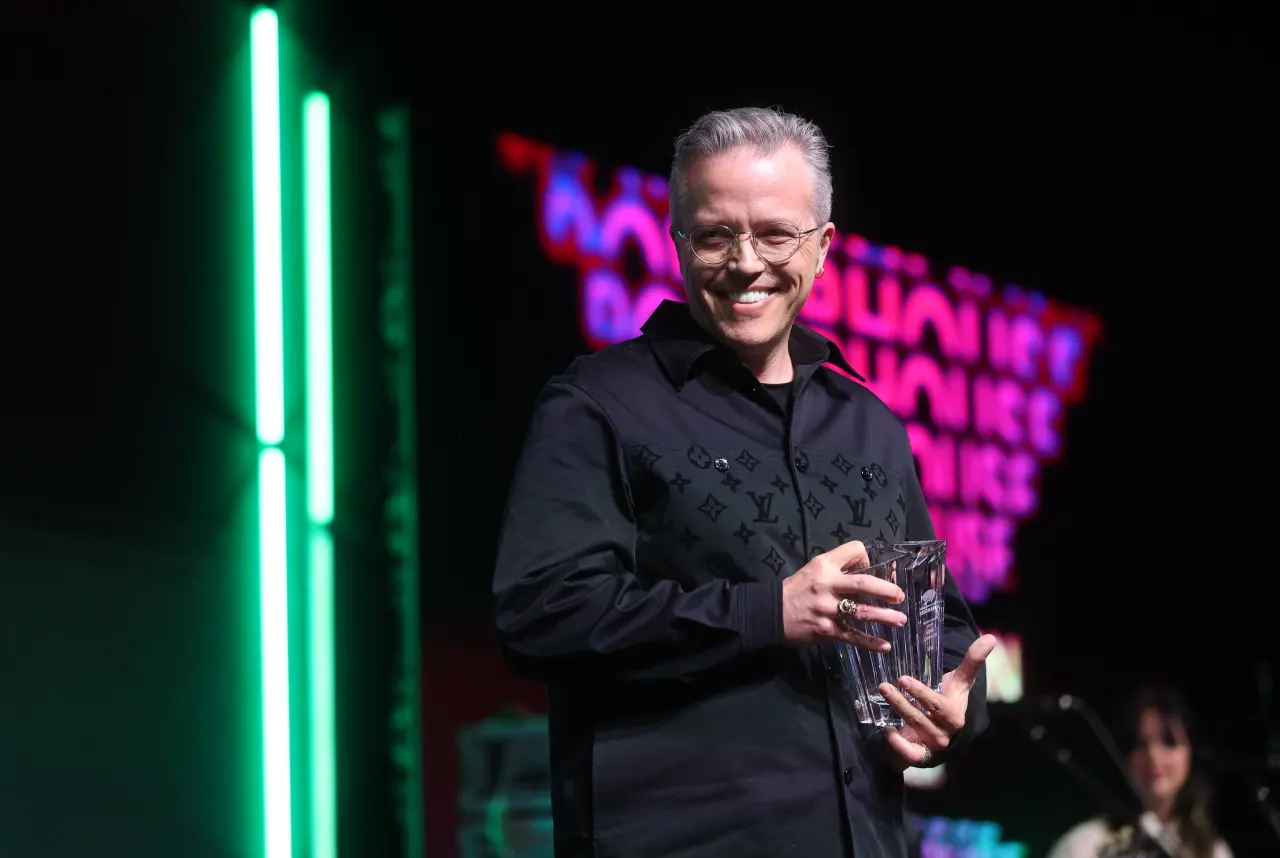
Suno has asked a federal court to dismiss Jason Isbell and three other musicians’ class-action lawsuit, arguing that using artists’ names to describe musical styles is lawful. The case matters because it challenges AI-generated music through artists’ rights to control the use of their identities, rather than through copyright claims.
The musicians, who filed suit in August, allege that Suno lets users generate tracks resembling artists by using prompts that evade its guardrails, including references to their “tone and phrasing” or altered spellings of their names. Suno denies this and says the prompts are protected by the First Amendment, comparing them to a musician asking a human producer for a particular artist’s “vibe”. It also argues that state publicity laws should not create new intellectual-property rights over artistic styles.
In short
- Suno has asked a federal court to dismiss Jason Isbell’s lawsuit.
- The case concerns artists’ identities, rather than copyright.
- Suno says artist names can describe musical styles.
Steelman: both sides, in good faith
The strongest fair case each way — we don't pick a winner.
The case for
Suno’s strongest case is that naming an artist as a stylistic reference is a form of expression, much like asking a human producer to evoke a particular musical feel. Treating such references as unlawful could give artists control over broad styles and descriptions, extending publicity rights beyond the use of identity into new restrictions on creative speech.
The case against
The musicians’ strongest case is that AI tools can use an artist’s identity to generate commercially useful imitations without consent, especially if users can get around safeguards through indirect prompts or altered names. Publicity rights, they argue, should offer protection when a person’s recognisable identity is being used in this way, even if the claim is distinct from copyright in particular songs.
Explained simply
AI music tools generate songs from written prompts. A prompt can describe a genre, mood or sound, and some users may refer to a particular musician when doing so. Suno is one such service, and Jason Isbell is a US singer-songwriter.
Isbell and three other musicians say Suno users can prompt for music resembling them, including by describing their tone and phrasing or altering their names. Their lawsuit concerns publicity rights, which can give people some control over commercial use of their identity, rather than claims that Suno copied specific copyrighted songs.
The case raises questions about how those rights apply to AI-generated music and where the law draws the line between describing an artistic style and using a musician’s identity. Suno says artist names can be used to describe musical styles and argues that its position is protected by freedom of expression.
AI Entertainment Music Technology