World news and discussion on TalkFuse.
Democrats warn Trump camp to ‘lawyer up’ as anger over corruption drives midterms wipeout
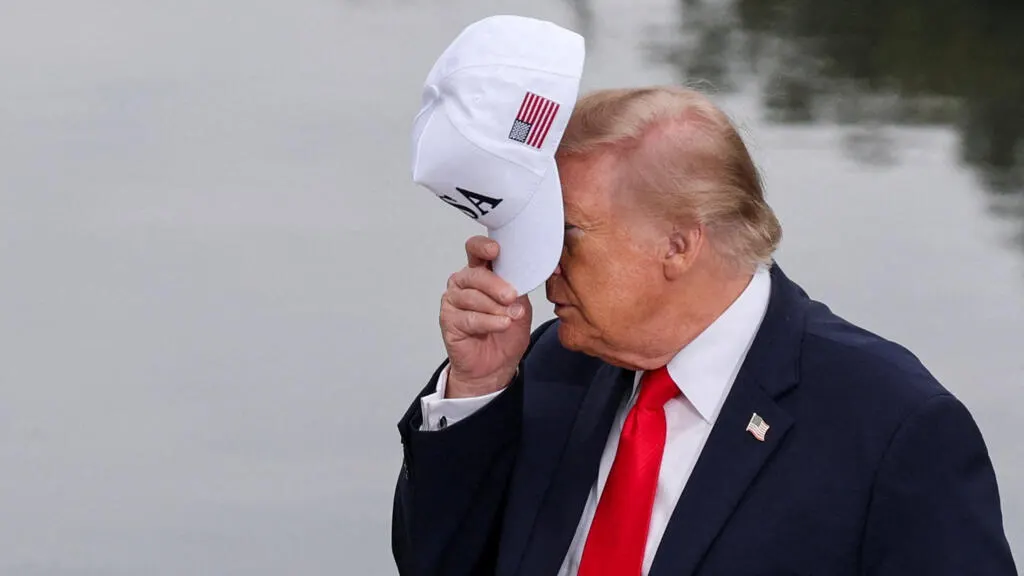
Democrats achieved sweeping gains in the US midterm elections as voters angry about the country’s direction and government corruption turned against Republican candidates. The results suggest that President Donald Trump’s focus on personal projects and wealth, while many voters faced high costs, weakened the party he had urged them to support.
An AP survey of about 80,000 voters found roughly three-quarters were angry or dissatisfied with the country’s direction, and more than half said corruption was crucial to their vote. About six in ten thought Trump prioritised his personal interests over the country, while among voters who had him in mind, around twice as many were voting to oppose him as to back him. Trump blamed some losses on the candidates, including Texas Republican Ken Paxton, who became the first Republican to lose a Texas Senate race since 1988.
In short
- Democrats made major gains in the midterms.
- Corruption ranked above the cost of living for many voters.
- Trump-backed Texas candidate Ken Paxton lost.
Steelman: both sides, in good faith
The strongest fair case each way — we don't pick a winner.
The case for
Democrats can argue that the results were a clear electoral rebuke of a government seen by many voters as inattentive to their economic pressures and too focused on the president’s personal interests. The survey findings suggest that concerns about corruption and the country’s direction helped drive voters to oppose candidates associated with Trump, giving his party a strong reason to reassess its priorities and accountability.
The case against
Republicans can argue that midterm losses do not establish that voters rejected the administration’s policies as a whole: dissatisfaction with the country’s direction can reflect many factors, and individual candidates may have contributed to defeats. Trump’s criticism of candidates such as Ken Paxton points to a case for examining local campaigns and candidate quality alongside broader national concerns, rather than treating the results as a single verdict on his leadership.
Explained simply
The US holds midterm elections halfway through a president’s four-year term. Voters choose members of Congress and, in many states, governors and other local officials; these results can change how much support a president has in Congress and shape the rest of their term.
The two main parties are the Democrats and Republicans. Donald Trump, a Republican, was president during the campaign, and candidates from his party faced voters amid concerns about living costs, the country’s direction and corruption in government.
Midterms often serve as a way for voters to express approval or disapproval of the president and the party in power. The results can affect which laws Congress passes and how closely it scrutinises the administration.
Americas Elections Government Politics World