World news and discussion on TalkFuse.
Trump’s billionaire-blue collar coalition has been smashed by class politics | Aditya Chakrabortty
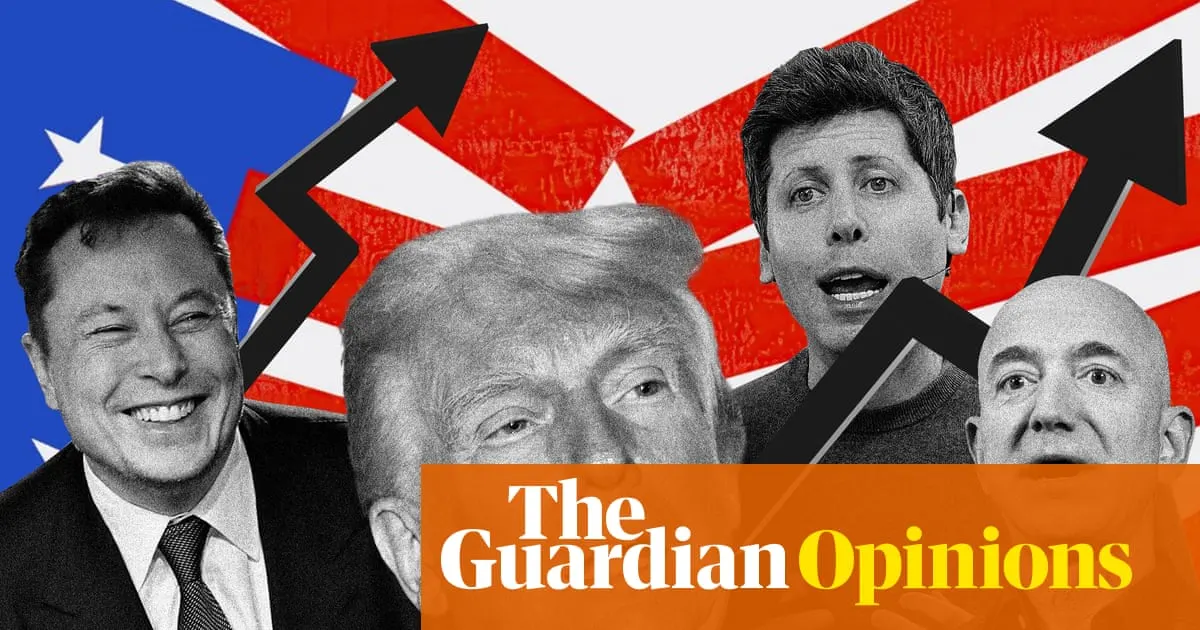
The article argues that Donald Trump’s alliance between wealthy technology figures and working-class voters has fractured as the cost of living and economic inequality have taken centre stage. It says voters rejected the president’s politics in Tuesday’s elections, while Democrats’ focus on everyday costs helped make class divisions more visible.
The piece points to high petrol and food prices, rising rents and low pay as pressures on households. It says the richest 400 US households pay lower tax rates than the bottom half, and workers’ share of national income has fallen from 30% in the 1960s to 20% today. It also cites an estimate that AI infrastructure spending accounted for 92% of US GDP growth in the first half of 2025, with gains concentrated among a small group of investors and companies.
In short
- Voters’ cost-of-living concerns have weakened Trump’s coalition.
- The article links affordability to low pay and inequality.
- AI-led growth is described as concentrating gains among the wealthy.
Steelman: both sides, in good faith
The strongest fair case each way — we don't pick a winner.
The case for
The coalition’s fracture can be understood as a response to households facing high food and petrol prices, rising rents and low pay while wealth and the gains from AI investment accrue disproportionately to the richest. On this view, Democrats’ focus on everyday costs made class divisions harder to ignore, and voters’ rejection of Trump’s politics reflected a demand for economic fairness and more tangible benefits.
The case against
A defender of the coalition could argue that working-class voters may still value its promises of growth, jobs and technological leadership, even if the benefits take time to spread. High living costs and inequality are real concerns, but they do not by themselves show that the alliance has permanently fractured or that Democrats’ emphasis on affordability caused the election result; other priorities and local factors may also have shaped voters’ choices.
Americas Elections Politics World