World news and discussion on TalkFuse.
Both sides of the Atlantic sense more hope: voters are drawn to the ‘politics of love’ | Alexander Hurst
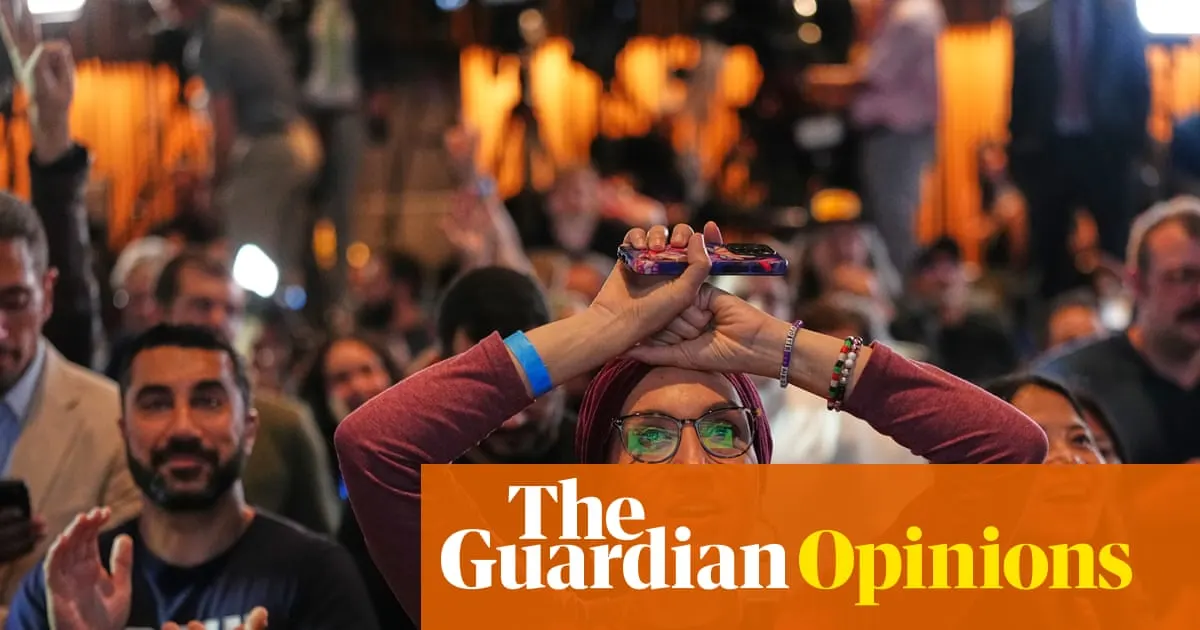
Voters in the US and several other countries have recently rejected right-wing leaders and candidates, prompting the author to wonder whether a wider “democratic spring” is under way. The article argues that people are responding to a promise of less hostility and greater fairness, and that the US result could offer a chance to rebuild democratic institutions.
The author points to Hungary’s April election, victories in Brazil and Serbia, and US state races, including Ohio Democrat Amy Acton’s win as the state’s first female governor and first Democrat in two decades. New Mexico elected its first Native American woman governor, Georgia its first Black woman, and Texas its first Latina. The piece links these results to voter frustration with inequality and corporate power, and argues that, as in Franklin D Roosevelt’s New Deal era, democracy needs governments able to deliver economic progress; it asks whether this mood could extend to France’s presidential election next May.
In short
- Voters have rejected right-wing candidates in several countries.
- US state elections brought historic wins for women.
- The author asks whether a wider democratic revival is beginning.
Steelman: both sides, in good faith
The strongest fair case each way — we don't pick a winner.
The case for
Recent electoral gains by candidates promising a less hostile politics may reflect voters’ desire for fairness, inclusion and relief from inequality and concentrated corporate power. If democratic institutions can deliver tangible economic progress, as they did during the New Deal era, this mood could help renew public trust and spread beyond the countries where it has already appeared.
The case against
A run of election results across different countries and levels of government may not amount to a shared democratic shift; voters can reject incumbents for local reasons without endorsing a common programme. Promises of greater fairness and less hostility also need to be judged by what governments deliver, and expanding state power to address inequality may itself raise concerns about effectiveness, cost or institutional limits.
Explained simply
The New Deal was a set of US government programmes introduced by President Franklin D Roosevelt in the 1930s, during the Great Depression. It expanded public action on jobs, welfare and financial rules, and remains a reference point in debates about how governments can reduce hardship and inequality.
In democracies, voters choose representatives and can replace them in elections, while institutions such as courts and legislatures help limit government power. Political parties compete to persuade voters, including over how to address the influence of large companies and gaps in wealth.
The story refers to recent election results in several countries and US states, where candidates from outside the incumbent right-wing parties have won. It raises the question of whether those results reflect a broader voter appetite for less hostile politics and governments that deliver economic gains.
Americas Elections Europe Politics World