World news and discussion on TalkFuse.
Midterm results expose growing US political costs of backing Israel
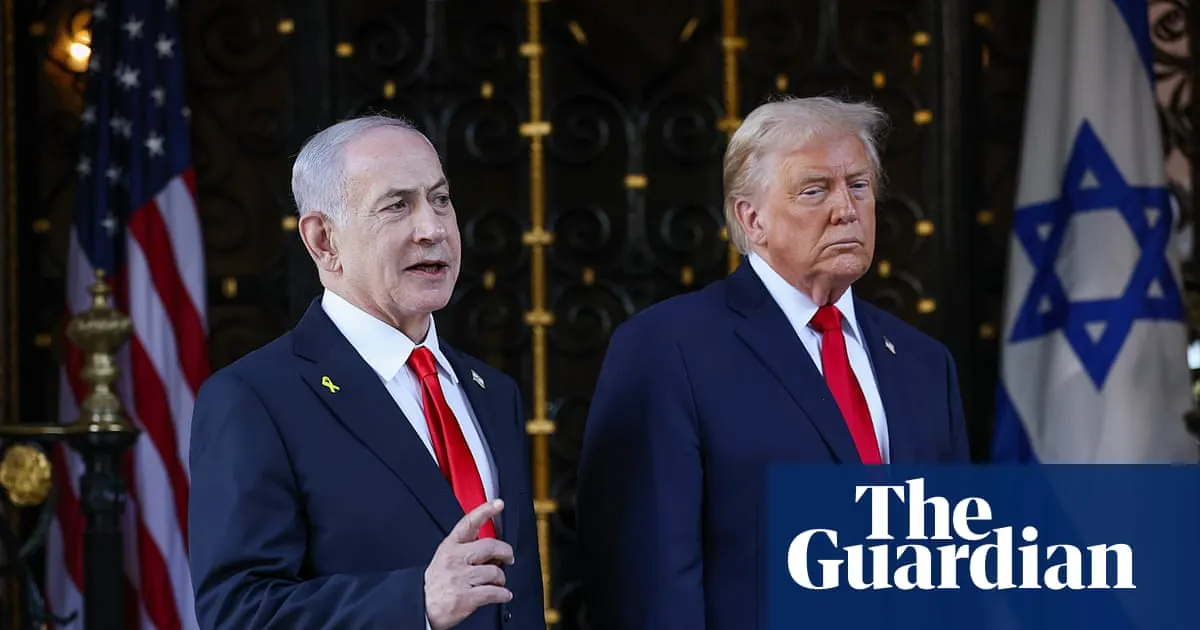
The midterm results signalled a sharp shift in US politics, with pro-Palestinian candidates winning races against pro-Israel opponents and Donald Trump appearing to acknowledge that support for Israel had become a political liability. The article argues that the war in Gaza and the economic consequences of the Iran war helped weaken the longstanding bipartisan consensus backing the US-Israel relationship.
Among the winners was Abdul El-Sayed, the first Muslim elected to the US Senate, despite more than $40m being spent by Aipac to defeat him. The article says the next Congress could consider measures such as an arms embargo or sanctions on violent settlers and officials, though Trump could veto them; his suggestion to replace nearly $4bn in annual military aid with arms sales may leave funding largely intact. Aipac had also said its direct support was hurting some candidates, while the war in Gaza has killed more than 70,000 Palestinians.
In short
- Pro-Palestinian candidates made gains in the midterms.
- Abdul El-Sayed became the first Muslim elected to the US Senate.
- The bipartisan consensus on Israel faces growing pressure.
Steelman: both sides, in good faith
The strongest fair case each way — we don't pick a winner.
The case for
The results may show that unconditional support for Israel is becoming harder to defend as voters respond to the scale of Palestinian deaths in Gaza and the economic effects of the Iran war. Supporters of a shift argue that Congress should use arms sales, aid and sanctions to press for civilian protection and accountability, and that candidates should be able to challenge Israeli policy without being overwhelmed by outside spending.
The case against
A strong US-Israel relationship can be defended as serving shared security interests and preserving a close ally’s ability to defend itself amid regional threats. Those wary of restricting support may argue that cutting aid or imposing sanctions could weaken deterrence, reduce US influence over Israeli decisions and risk making the alliance a casualty of short-term electoral pressures; they may favour continued engagement and arms sales as a way to maintain cooperation.
Americas Elections Middle East Politics World
Read the full article at the source →
Originally published by The Guardian as “The midterms were a thumping rebuke of the US-Israel relationship”.