Politics news and discussion on TalkFuse.
Netanyahu claims ‘serious concerns’ of foreign spending to sway Israeli election
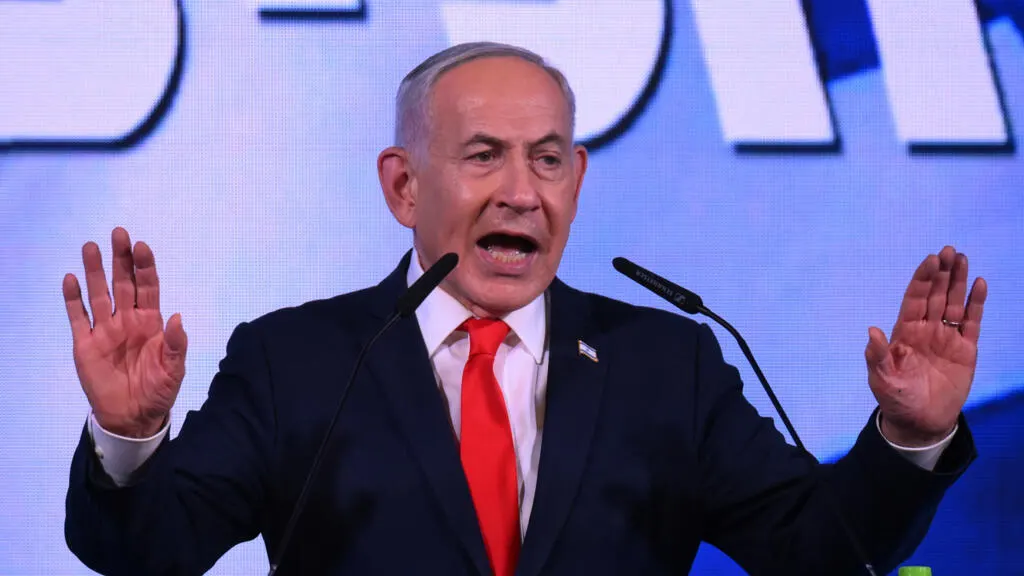
Benjamin Netanyahu has alleged that foreign states spent money to influence Israel’s 27 October election, prompting an investigation involving Arab-Israeli politician Ayman Odeh. The accusations have intensified a dispute over the role of Arab-Israeli voters, whose support could help opposition leader Gadi Eisenkot form a government, and the legitimacy of the election outcome.
Reports say Shin Bet is examining whether Odeh received hundreds of thousands of shekels, worth about $100,000, from an unspecified foreign entity. The Central Elections Committee audited 9,069 polling stations and said it found no evidence undermining the results; Attorney General Gali Baharav-Miara also rejected a request to question other Arab party leaders without evidence. The Joint List called the focus on Odeh political persecution, while Netanyahu cited arrests involving cash on election day and alleged links to Qatar.
In short
- Netanyahu alleges foreign spending influenced Israel’s election.
- Shin Bet is investigating claims involving Ayman Odeh.
- An audit of 9,069 polling stations found no evidence undermining results.
Steelman: both sides, in good faith
The strongest fair case each way — we don't pick a winner.
The case for
Supporters of an investigation could argue that credible indications of foreign funding aimed at influencing an election deserve scrutiny, whatever the parties involved. Establishing whether money reached a politician and whether it was intended to sway voters could protect electoral integrity and public confidence, while allegations of election-day cash and foreign links warrant examination if supported by evidence.
The case against
Critics could argue that the available checks found no evidence undermining the results, and that singling out Odeh without substantiated grounds risks turning a serious allegation into political pressure on Arab-Israeli representation. They may also see calls to question other Arab party leaders as unfairly casting suspicion on voters whose support could shape government formation, especially when the alleged foreign source and any proven connection to Odeh remain unclear.
Elections Government Middle East Politics World