World news and discussion on TalkFuse.
Andy Burnham’s rejoiner dream dealt major blow as official figures lay bare Britain’s EU migration legacy
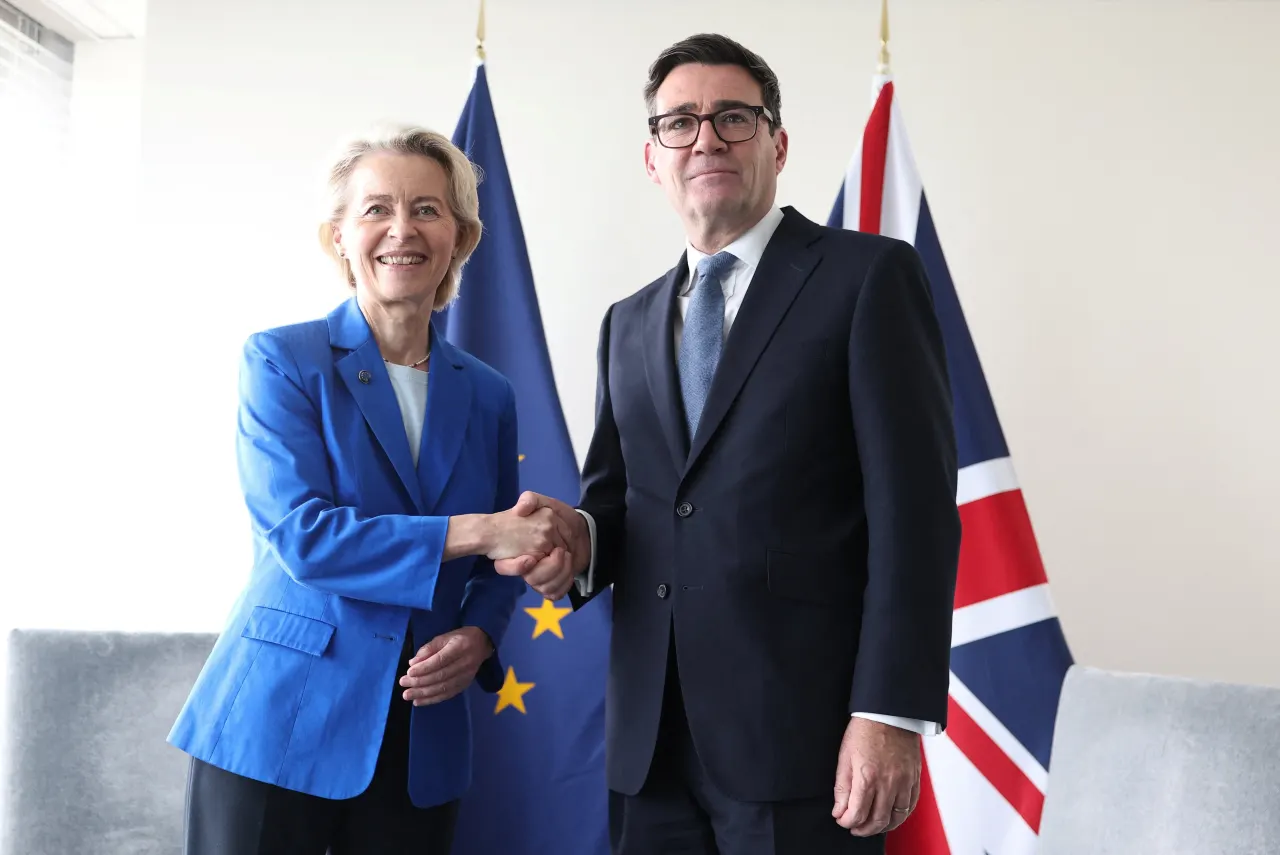
A study of Home Office data says EU nationals made up two-thirds of net migration to Britain over the past 25 years, renewing debate about calls to rejoin the EU and restore freedom of movement. The figures are being cited by critics who argue that rejoining would limit the UK’s control over immigration policy.
More than 6.1 million applications to the EU Settlement Scheme have been approved since 2000, compared with 2.6 million people arriving from outside the bloc, according to the research. Britain’s population grew by nearly 10.6 million, or 18 per cent, between 2000 and 2025, with EU migration accounting for more than half of the increase. Romania recorded the most approved settlement applications by the June 2021 deadline, with 1,424,187; Poland and Italy were next, though the supplied article text cuts off before giving their totals.
In short
- EU citizens accounted for two-thirds of net migration over 25 years.
- More than 6.1 million EU Settlement Scheme applications were approved.
- The figures have fuelled debate over freedom of movement and rejoining the EU.
Steelman: both sides, in good faith
The strongest fair case each way — we don't pick a winner.
The case for
Supporters of closer EU ties could argue that freedom of movement helps people live, work and study across Europe, supports employers facing skills shortages and strengthens economic and cultural links. They may also say migration’s contribution to population growth does not, by itself, show that it caused problems, and that any future arrangement could be debated alongside safeguards and domestic policies.
The case against
Critics could argue that restoring freedom of movement would reduce the UK’s ability to set its own rules on EU immigration, making it harder to respond to public preferences or changing pressures on housing and services. The reported scale of EU migration over the past 25 years may strengthen their case that immigration policy should remain under national control, even if migration also brings economic and social benefits.
Explained simply
The EU Settlement Scheme was set up after Brexit to let EU citizens who had made Britain their home keep living and working here. Its application figures offer one measure of migration from the EU, while net migration means the number of people arriving minus those leaving.
Andy Burnham, the mayor of Greater Manchester, has called for closer ties with the EU, including debate about rejoining. Under EU freedom of movement rules, citizens of member states can live and work in one another’s countries, so restoring those rules could affect how Britain sets its immigration policy.
The figures matter because they are being used in arguments about the scale and effects of past EU migration. They do not by themselves settle what rejoining would mean for future migration or what policy Britain should choose.
Europe Government Politics UK World