Technology news and discussion on TalkFuse.
Bath councillors approve enlarged mansion after decade-long neighbours’ dispute
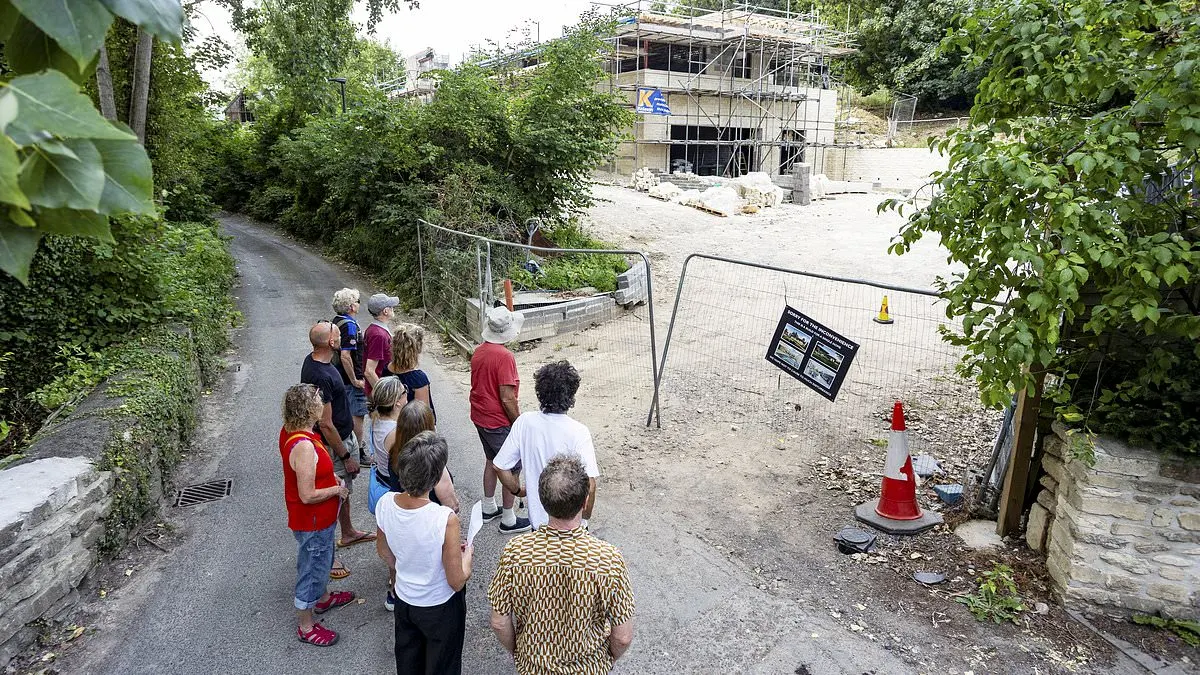
Bath and North East Somerset councillors have approved a retrospective planning application allowing developer Thomas Worrall to keep a mansion built substantially larger and taller than the home originally permitted. The decision ends a decade-long dispute with neighbours and has renewed concerns that wealthy developers can disregard planning rules and seek approval afterwards.
More than 100 objections were submitted. Permission granted in 2021 was for a five-bedroom home set into a hillside; the completed seven-bedroom house is reported to be about 130 square metres larger and up to two metres taller, with a gym and cinema room. Officers recommended approval as policy-compliant, and councillors voted seven to two, with some saying they did so reluctantly. Worrall said changes were needed because of water-table and ground conditions, and that the expanded basement served structural purposes.
In short
- Councillors approved the mansion as built.
- The seven-bedroom home exceeded the original plans.
- Neighbours say the decision undermines planning rules.
Steelman: both sides, in good faith
The strongest fair case each way — we don't pick a winner.
The case for
The retrospective approval can be defended on the grounds that the completed house was assessed against planning policy and officers recommended that it complied. If the changes were genuinely needed to address water-table and ground conditions, and the larger basement served structural purposes, requiring alterations or demolition might be disproportionate; the councillors’ reluctant approval may reflect that practical judgement.
The case against
Approval can be criticised because the house was substantially larger and taller than the permission granted, adding bedrooms and leisure space, after a long dispute with neighbours and more than 100 objections. Allowing a developer to seek consent after building beyond the approved plans may weaken confidence that planning rules apply equally, and could leave neighbours feeling that the process offers little protection.
Explained simply
Planning permission sets out what can be built and may include limits on a building’s size and height. A retrospective application asks a council to approve work that has already been carried out.
Bath and North East Somerset Council is the local planning authority, and its councillors decide some applications after considering planning policies and public objections. In this case, developer Thomas Worrall and nearby residents have been at odds over how the house was built and its effects on the area.
The dispute raises questions about how councils enforce planning decisions and what happens when completed work differs from an approved design. Retrospective approval can bring a building into line with planning rules, but may also prompt debate about whether those rules are applied consistently.
Cybersecurity Software Technology World
Read the full article at the source →
Originally published by Daily Mail as “Neighbours lose battle against millionaire’s mega-mansion: ‘City’s biggest newbuild in 100 years’ gets the green light despite being built without permission”.