World news and discussion on TalkFuse.
Grocery store cyberattacks are ‘psychological warfare’ that could strike US, former FBI agent warns
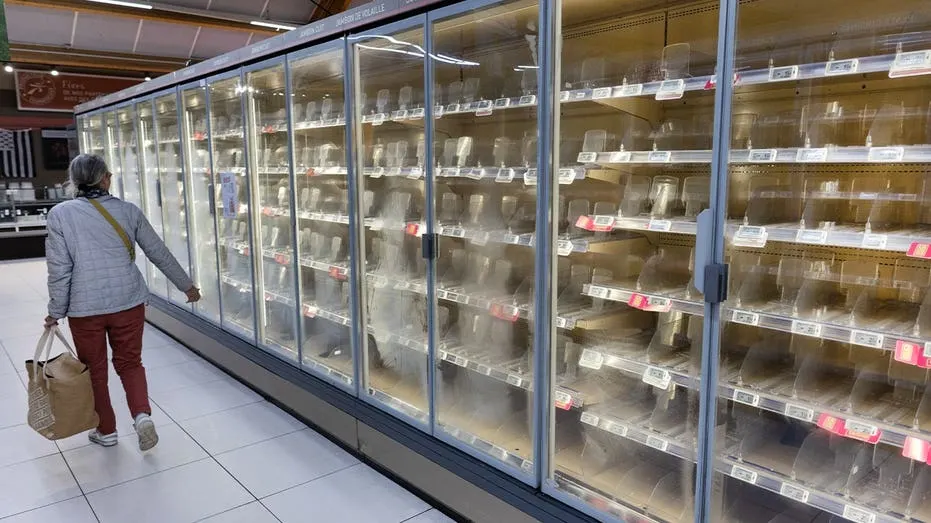
Former FBI Special Agent Nicole Parker warned that cyberattacks on grocery refrigeration and other essential systems could disrupt daily life in the United States and undermine public confidence. Her warning follows refrigeration failures at US military commissaries and reported disruptions at supermarkets in Europe, though investigators have not established that a cyberattack caused the US incidents.
At least six commissaries reported problems in late August, with Fort Huachuca saying frozen food had spoiled and Fort Irwin restricting sales to dry goods. Separately, supermarkets in Sweden, Belgium and Luxembourg reportedly experienced refrigeration temperatures as high as 122°F (50°C). The people behind the European incidents have not been identified; Parker called for elected and local officials to prepare plans and train for disruptions to essential services.
In short
- Parker warns grocery systems could be targeted in the US.
- Six or more military commissaries reported refrigeration problems.
- The cause of the US failures remains unconfirmed.
Explained simply
Grocery shops rely on refrigeration and digital systems to keep food safe and manage daily operations. A failure can spoil stock, restrict what customers can buy and disrupt services people depend on.
Nicole Parker is a former FBI special agent who studies security risks. US military commissaries reported refrigeration problems in August, while supermarkets in Sweden, Belgium and Luxembourg also reported unusually high temperatures. Investigators have not established that a cyberattack caused the US problems, and those responsible for the European incidents have not been identified.
The concern is that attacks on essential systems could affect ordinary routines and public confidence, even without targeting people directly. Officials and businesses may need plans to keep services running and inform the public during disruptions.
Americas Cybersecurity Europe Technology World