World news and discussion on TalkFuse.
Seoul plans to expand anti-piracy mission near Strait of Hormuz
Developing story first seen 3 hours ago
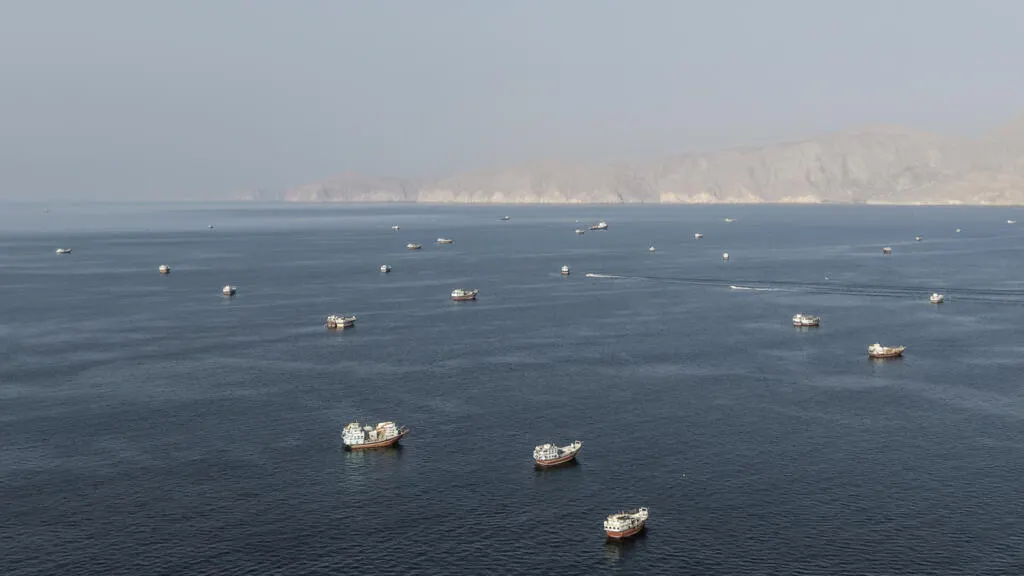
South Korea has confirmed plans to expand its Cheonghae anti-piracy mission to waters near the Strait of Hormuz, sending maritime patrol aircraft and an explosive ordnance disposal team. The move is intended to protect commercial shipping and South Korean economic interests as the US-Iran war disrupts traffic through a key global energy route.
The expanded mission is expected to include a destroyer, a P-8 patrol aircraft, unmanned surface and underwater vessels, and remotely operated vehicles. Seoul says the deployment will be non-combat and independent of allied forces, with operations limited to open waters south of Oman; extending the unit’s authorisation, which runs until year-end, requires parliamentary approval. The strait normally carries about a fifth of the world’s oil, and South Korea says it will not intervene militarily in the war.
- Sources
- 3
- Outlets
- 3
- Left · Centre · Right
- 2 · 1 · 0
In short
- Seoul plans a non-combat maritime mission near Hormuz.
- The strait normally carries about a fifth of global oil.
- Parliament must approve extending the mission’s authorisation.
How this story developed
- 46 minutes ago South Korea added that the P-8 would not monitor Iranian territory or the strait’s interior, clarifying the limits of the mission as it seeks parliamentary approval to extend the unit’s authorisation.
- 52 minutes ago Seoul confirmed the expansion, specifying that the Cheonghae unit would also deploy unmanned surface and underwater craft and remotely operated vehicles, with non-combat operations in open waters south of Oman, independent of allied forces; its authorisation runs until year-end and requires parliamentary extension.
- 1 hour ago South Korea planned to expand its maritime mission near the Strait of Hormuz to safeguard shipping and energy supplies disrupted by the US-Iran war, while ruling out military involvement; the proposed deployment included a destroyer, a P-8 patrol aircraft and disposal and underwater teams, and needed parliamentary approval.
Full account
South Korea plans to extend the reach of its Cheonghae anti-piracy unit to waters near the Strait of Hormuz, deploying maritime surveillance and specialist equipment as part of an effort to protect shipping. The defence ministry described the proposed reinforcement as a way to protect South Korean citizens and economic interests, while stressing that it would not involve combat or participation in the Iran war.
The unit, which has operated in the Gulf of Aden since 2009, is expected to include a destroyer and a P-8 maritime patrol aircraft, alongside an explosive ordnance disposal team and unmanned vehicles for surface and underwater work. One report also cited plans to add 75 personnel. The ministry said the aircraft would not target or monitor Iranian territory, territorial waters or the strait itself, and that the unit would work independently of allied forces.
The move comes as the conflict has disrupted traffic through Hormuz, a narrow but crucial route for global energy shipments. South Korea depends heavily on imported oil, much of it sourced in the Middle East and transported through the strait. Seoul has maintained that it will not send forces in a way that could draw the country into the fighting, even as it considers a larger role in keeping commercial navigation safe.
The proposed change requires parliamentary approval, and one report says it also needs sign-off from President Lee Jae Myung and the cabinet. The government is seeking to extend the unit’s operational area towards Oman’s port of Duqm, while also extending its deployment beyond its current authorisation, which is due to end in 2026. Tehran has previously warned Seoul against joining a security deployment near the strait. The plans have also emerged amid criticism from US President Donald Trump, who has accused South Korea of providing too little support for the war.
The reports differ in emphasis and detail. One presents the plan chiefly as a non-combat maritime security measure and lists additional capabilities including unmanned surface and underwater craft and remotely operated vehicles. The other foregrounds pressure from Trump, gives Duqm’s approximate distance from the strait, and describes the parliamentary and presidential approval process. Their accounts also vary in how they describe the equipment and personnel: one specifies a destroyer and several types of unmanned systems, while the other gives the existing unit’s composition and reports a planned increase of 75 personnel.
Where outlets differ
From the full account, which is AI-written from the sources:
The first report focuses on the mission’s stated non-combat limits and provides a broader list of proposed equipment, including unmanned systems and remotely operated vehicles. The second emphasises US pressure, identifies Duqm as the proposed operational area, and specifies that parliamentary, presidential and cabinet approval is needed.
The reports describe the deployment period differently: the first says the current authorisation runs to the end of this year, while the second says it expires at the end of 2026. They also provide different levels of detail on the force package and staffing.
Left-leaning outlets 2
- Report: South Korea's anti-piracy unit to expand operations closer to Hormuz StraitMiddle East Eye
- South Korea says it will expand naval operations closer to strait of HormuzThe Guardian
Only here: south, korea, operations, closer, unit
Centre outlets 1
Only here: seoul, plans, mission, near
Every side used: anti, piracy, expand, hormuz, strait
Headline columns compared word for word; nothing in them is AI-written.
Steelman: both sides, in good faith
The strongest fair case each way — we don't pick a winner.
The case for
Supporters could argue that protecting commercial shipping in open waters helps keep a vital energy route available, limits disruption to South Korea and other economies, and reduces risks to civilian crews. They may see an independently operated, narrowly defined mission—with no monitoring of Iranian territory or the strait’s interior—as a measured way to contribute without joining military intervention.
The case against
Critics could argue that deploying military assets amid a US-Iran war risks entangling South Korea in a conflict even if the mission is formally separate from allied forces. They may also question whether the proposed limits can prevent escalation or misinterpretation, and whether extending the mission is justified without clear parliamentary scrutiny of its risks and purpose.
Explained simply
The Strait of Hormuz is a narrow sea route between Iran and Oman, linking the Persian Gulf to the Gulf of Oman. A large share of the oil shipped around the world passes through it, so disruption can affect energy supplies and shipping far beyond the region.
South Korea’s Cheonghae unit is a naval mission that protects ships and crews on important sea routes. Its existing authorisation would need parliamentary approval to be extended. South Korea says the mission would operate in open waters south of Oman and would not join military intervention in the US-Iran war.
Coverage · 3 sources
Bias meters
From 3 rated sources.
Americas Asia Middle East World
Read the full article at the source →
Originally published by France 24 as “South Korea to deploy military mission to keep Strait of Hormuz open”.