World news and discussion on TalkFuse.
South Korea to expand naval patrol near Hormuz to protect shipping
Developing story first seen 3 hours ago
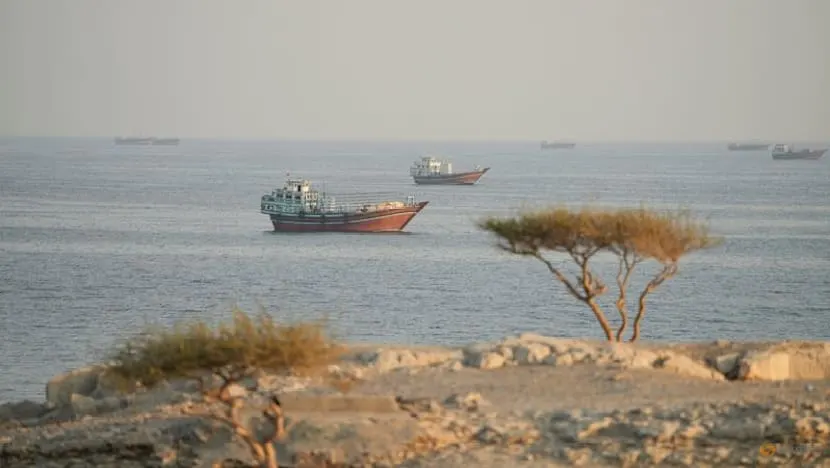
South Korea plans to expand its Cheonghae naval mission to waters near the Strait of Hormuz, sending aircraft and specialist teams to help protect shipping and keep the route open. Seoul says the deployment is non-combat and maintains it will not intervene militarily in the Iran war.
The expanded mission is to include a destroyer, a P-8 maritime patrol aircraft, an explosive ordnance disposal team and unmanned and remotely operated vehicles. It would operate independently of allied forces in open waters south of Oman, with aircraft barred from targeting or monitoring Iranian territory, territorial waters or the strait’s interior. Parliamentary approval is required to extend the unit’s authorisation beyond the end of this year; Hormuz normally carries about a fifth of the world’s oil.
- Sources
- 2
- Outlets
- 2
- Left · Centre · Right
- 1 · 1 · 0
In short
- South Korea is expanding its maritime mission near Hormuz.
- Seoul says the deployment is non-combat and independent.
- Parliamentary approval is needed to extend the mission.
How this story developed
- 48 minutes ago The latest plan specifies that the mission will operate independently in open waters south of Oman, with no targeting or monitoring of Iranian territory or the strait’s interior; parliamentary approval is needed to extend its authorisation beyond this year.
- 52 minutes ago Seoul plans to expand its Cheonghae naval mission to waters near the Strait of Hormuz, sending a destroyer, a P-8 patrol aircraft and specialist teams to help protect shipping while staying out of the Iran war.
Full account
South Korea plans to widen the operating area of its Cheonghae anti-piracy naval unit to waters near the Strait of Hormuz, with the stated aim of helping protect commercial shipping and the country’s economic interests. The defence ministry announced the plan on Thursday, 5 November, as conflict between the United States and Iran continues to disrupt traffic through the strait, a major route for global energy supplies.
The proposed package includes a destroyer, a P-8 maritime patrol aircraft, an explosive ordnance disposal team, unmanned surface and underwater vessels, and remotely operated vehicles for underwater surveys. The ministry said the mission would be non-combat and conducted independently of allied forces. Operations would be limited to open waters south of Oman; the aircraft would not target or monitor Iranian territory, Iranian territorial waters or the interior of the strait.
Seoul says the deployment is intended to protect South Korean citizens, commercial vessels and energy supplies, while maintaining its stated policy of not becoming militarily involved in the war. President Lee Jae Myung reaffirmed that position in September. Tehran has cautioned South Korea against joining efforts to secure the waterway, after Seoul said it was considering a contribution.
The Cheonghae unit currently operates in the Gulf of Aden, where it helps protect shipping from piracy. Its present authorisation runs until the end of the year, and extending it would require parliamentary approval, according to Yonhap News Agency. The strait normally carries around a fifth of the world’s oil, making continued disruption there a concern for energy-importing countries such as South Korea.
Where outlets differ
From the full account, which is AI-written from the sources:
The first supplied report gives operational details and quotes South Korean officials, while the second source is an access-denial notice and provides no reporting that can be compared. The first report attributes the list of equipment and the parliamentary approval detail to Yonhap, and quotes an unnamed defence ministry official on the mission’s limits.
Left-leaning outlets 1
Only here: help, keep, strait, open
Centre outlets 1
Only here: expand, naval, patrol, near, protect
Every side used: south, korea, hormuz
Headline columns compared word for word; nothing in them is AI-written.
Steelman: both sides, in good faith
The strongest fair case each way — we don't pick a winner.
The case for
South Korea has a strong interest in protecting commercial shipping and the energy supplies that pass through Hormuz, a route vital to the global economy. A limited mission in international waters, focused on patrols and explosive ordnance disposal and kept separate from the Iran war, could help reduce risks to shipping while respecting Seoul’s stated limits on its role.
The case against
Even a mission described as defensive and independent could be seen by Iran as support for its adversaries, increasing the risk of confrontation or drawing South Korea further into the conflict. Extending the deployment also requires parliamentary scrutiny of its costs, risks to personnel and likely effectiveness, particularly given the stated limits on where the force will operate.
Explained simply
The Strait of Hormuz is a narrow sea passage between Iran and Oman, linking the Gulf to the open ocean. It is a major route for oil and gas shipments: about one-fifth of the world’s oil normally passes through it.
South Korea’s Cheonghae unit is a naval force that has carried out anti-piracy work since 2009. The planned mission would add aircraft and equipment to help protect commercial ships in waters south of Oman, while operating separately from allied forces.
The route matters to countries that rely on energy shipped through the Gulf, including South Korea. Extending the mission requires approval from South Korea’s parliament, and the government says the unit will not take part in the war or operate inside the strait.
Coverage · 2 sources
Bias meters
From 2 rated sources.
Read the full article at the source →
Originally published by CNA as “South Korea to deploy military mission to help keep Hormuz open”.