Entertainment news and discussion on TalkFuse.
The Best Fantasy Book You Haven’t Read Hits Harder Today Than Ever Before
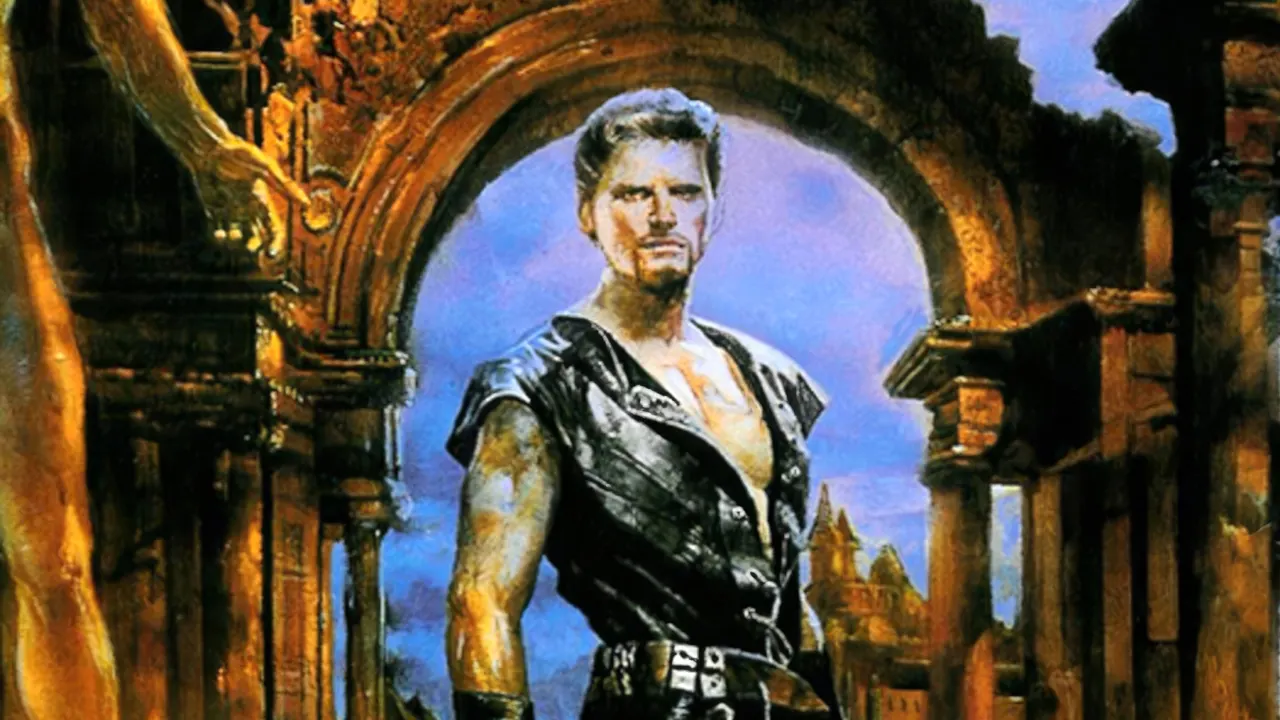
Matthew Woodring Stover’s 1997 novel *Heroes Die* is a science fantasy story that uses a brutal entertainment industry to criticise corporate power and audiences’ appetite for spectacle. Its depiction of corporations shaping culture and selling violence as immersive entertainment feels especially relevant amid concerns about AI, media consolidation and commercial pressures on art.
The story follows Hari Michaelson, an actor who performs as the fighter Caine in a magical parallel world called Overworld. When his estranged wife is captured and cut off from Earth, he goes to rescue her, while studio executives also demand that he kill the emperor to create material for future shows. The novel combines dystopian science fiction with grim fantasy, and its graphic violence is part of its critique of the audience’s complicity in the spectacle.
In short
- *Heroes Die* critiques corporate control of culture through a violent entertainment industry.
- Actor Hari Michaelson enters a magical world as the fighter Caine.
- Its grim vision of spectacle and media power feels timely.
Explained simply
In Matthew Woodring Stover’s novel Heroes Die, Earth is a corporate-run future where people watch actors perform dangerous adventures in a parallel world called Overworld. The story centres on Hari Michaelson, an actor who becomes the warrior Caine for audiences back on Earth.
When Hari’s estranged wife is trapped in Overworld, he sets out to rescue her. At the same time, studio executives want him to kill the emperor there, so they can turn the act into entertainment. The conflict links his personal mission to the company’s demands.
The novel uses its fictional entertainment industry to explore how corporations can shape culture and profit from violence. It also raises questions about the role of audiences who watch and reward such spectacles.