Technology news and discussion on TalkFuse.
UK found to be ‘dangerously’ reliant on China for critical minerals needed for defence and AI
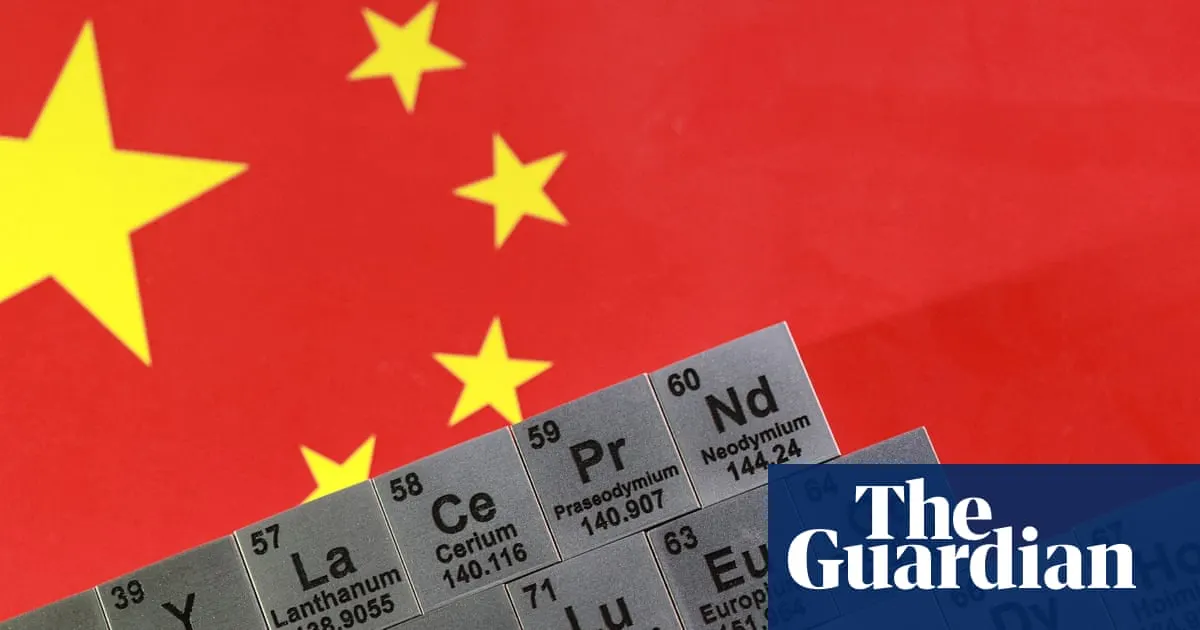
A parliamentary investigation has found that the UK is dangerously dependent on China for critical minerals used in defence, renewable energy and artificial intelligence. MPs say the reliance creates economic and national security risks, and could also hinder the UK’s efforts to reach net zero.
The committee says China dominates the processing of seven categories of minerals, where supply bottlenecks are concentrated. It heard that demand for lithium could rise 45-fold by 2030, while demand for rare earths used in permanent magnets could increase 16-fold. MPs called for a centralised policy, a finance facility to support mining and other projects, and closer work with international partners to diversify supplies; the government says it is delivering £400m for critical minerals.
In short
- MPs warn the UK is dangerously exposed to Chinese mineral supplies.
- Lithium demand could rise 45-fold by 2030.
- The committee wants new funding and broader supply partnerships.
Steelman: both sides, in good faith
The strongest fair case each way — we don't pick a winner.
The case for
The UK’s dependence on China for minerals essential to defence, energy and AI could leave vital industries exposed to supply disruption or political pressure, while growing demand may intensify that vulnerability. A coordinated strategy, investment and partnerships to diversify supply could strengthen economic and national security and support the transition to net zero.
The case against
Reducing reliance quickly could require substantial public support for projects that may be costly, slow to develop and environmentally contentious, while alternative suppliers may not be able to meet rising demand. The government’s existing £400m commitment and international partnerships may offer a measured response; concentrating on diversification rather than treating dependence itself as an immediate danger could avoid waste and preserve the benefits of trade.
Explained simply
Critical minerals are materials used in products such as electric vehicle batteries, wind turbines, computer chips and some defence equipment. They include lithium and rare earth elements; demand for them is expected to grow as countries expand clean energy and digital technologies.
China is a major processor of several of these minerals, giving it a significant role in global supply chains. The UK imports many minerals and processed materials, so disruption or restricted access could affect manufacturers and projects that rely on them.
The issue connects supply security with the UK’s defence needs, economic plans and target to reach net zero emissions. Governments and businesses are looking at ways to source and process minerals from a wider range of countries.
AI Asia Business Climate Government Politics Science Technology UK World