Business news and discussion on TalkFuse.
Ministers propose national rules to curb shared e-bike pavement obstruction
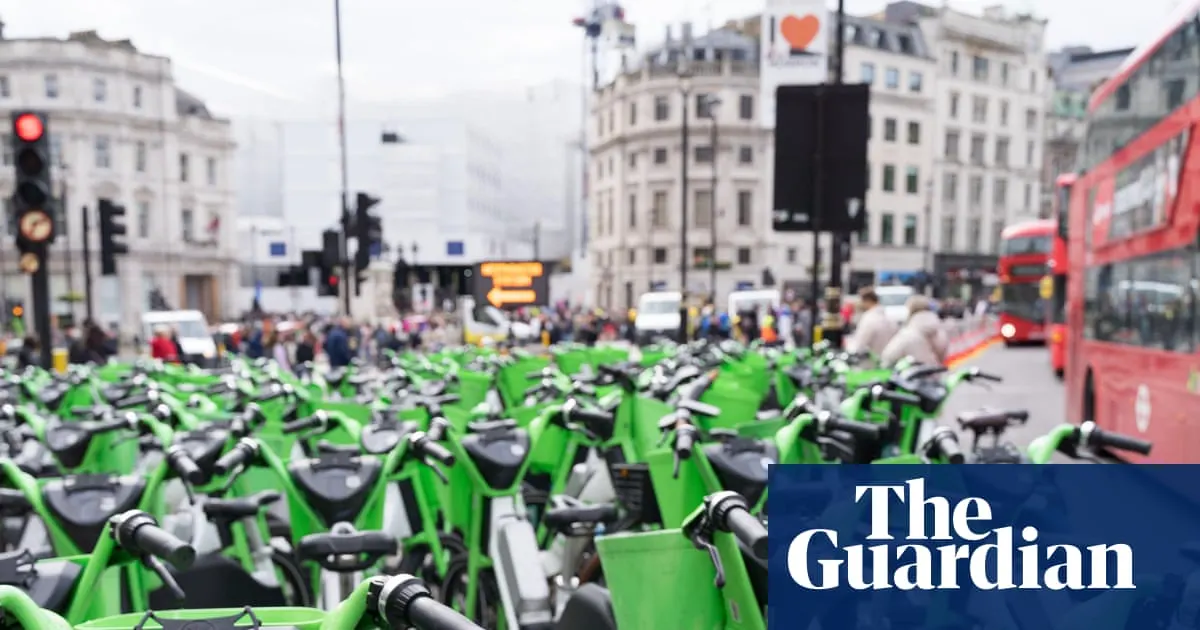
Ministers are consulting on national rules for shared e-bikes, responding to complaints about pavement obstruction and irresponsible riding. The proposals aim to give local leaders more control and make streets safer, while addressing the inconsistent rules that currently vary between councils.
The consultation will consider designated parking, fleet size limits, insurance for operators, rental fees and data sharing with councils. It will also examine illegal or antisocial riding, including jumping red lights and use by underage or drunk riders. An estimated 2.6 million people in Britain used an e-bike share scheme in the year to September 2025; separate plans could give London’s mayor and Transport for London powers to coordinate rules across boroughs.
In short
- Ministers plan national standards for shared e-bikes.
- Proposals cover parking, insurance, fleet sizes and rider behaviour.
- More than 2.6 million people used a scheme in the year to September 2025.
Steelman: both sides, in good faith
The strongest fair case each way — we don't pick a winner.
The case for
National rules could give councils and transport authorities clearer powers to tackle pavement obstruction, unsafe riding and inconsistent local requirements. Designated parking, operator insurance and data sharing may improve accountability and make shared e-bikes safer and more convenient for pedestrians and riders alike.
The case against
Uniform national rules could limit councils’ ability to respond to local street layouts and travel needs, while fleet limits, fees or parking requirements might make schemes harder to operate or access. Supporters of a lighter-touch approach may argue that local experimentation and proportionate enforcement can address problems without reducing a transport option used by millions.
Explained simply
Shared e-bikes are bicycles with electric assistance that people can hire for short journeys, usually through an app. Councils have set different rules for where hire bikes may be left and how many operators can run in an area, which can make expectations vary from place to place.
The main players are central government, which sets national policy, and local authorities, which manage streets and public spaces. Operators provide the bikes and hire services, while riders use them for journeys around towns and cities.
The issue matters because hire bikes can offer another way to travel, but poor parking and unsafe riding can obstruct pavements or put people at risk. Any new framework could affect where bikes are parked, how schemes operate and how councils oversee them.
Business Government Politics World
Read the full article at the source →
Originally published by The Guardian as “Ministers to target ‘wild west’ of e-bikes blocking pavements”.