World news and discussion on TalkFuse.
LEE CARTER: The biggest winner of this election is not who you think
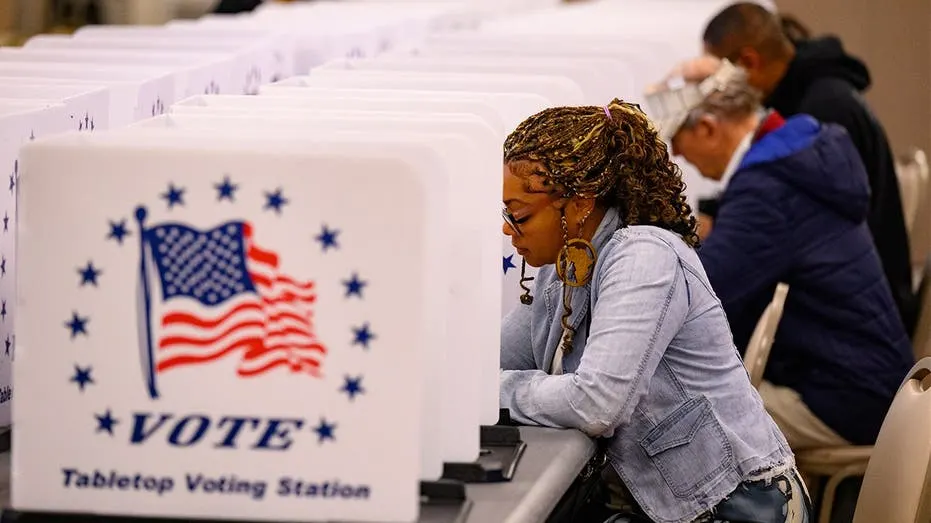
The writer argues that the 2026 midterm elections suggest US voters are more open to persuasion than the usual picture of rigid, partisan politics allows. The point matters because it challenges the idea that political loyalties are fixed and that disagreement makes meaningful debate impossible.
Citing Michigan, Texas and Kansas, the writer says candidates and messages can still reach voters across political lines. The article also cautions that election results alone cannot show whether people changed their minds or different voters simply turned out; it concludes that political coalitions are not permanent and voters are not owned by parties.
In short
- The midterms may show voters are still persuadable.
- Results cannot distinguish changed minds from changed turnout.
- Political loyalties and coalitions can shift.
Steelman: both sides, in good faith
The strongest fair case each way — we don't pick a winner.
The case for
The results cited may suggest that voters are more persuadable than accounts of fixed partisan loyalty imply. If candidates can attract support across political lines, that points to room for debate and for coalitions to change, rather than parties being able to count on voters indefinitely.
The case against
Election results alone cannot show that people changed their minds: shifts in turnout, candidate appeal or local circumstances could produce similar outcomes. A few examples from Michigan, Texas and Kansas may therefore be too limited to challenge the broader view that many voters remain strongly aligned with a party.
Americas Elections Politics World