World news and discussion on TalkFuse.
French unions rally workers and students over wages and public services
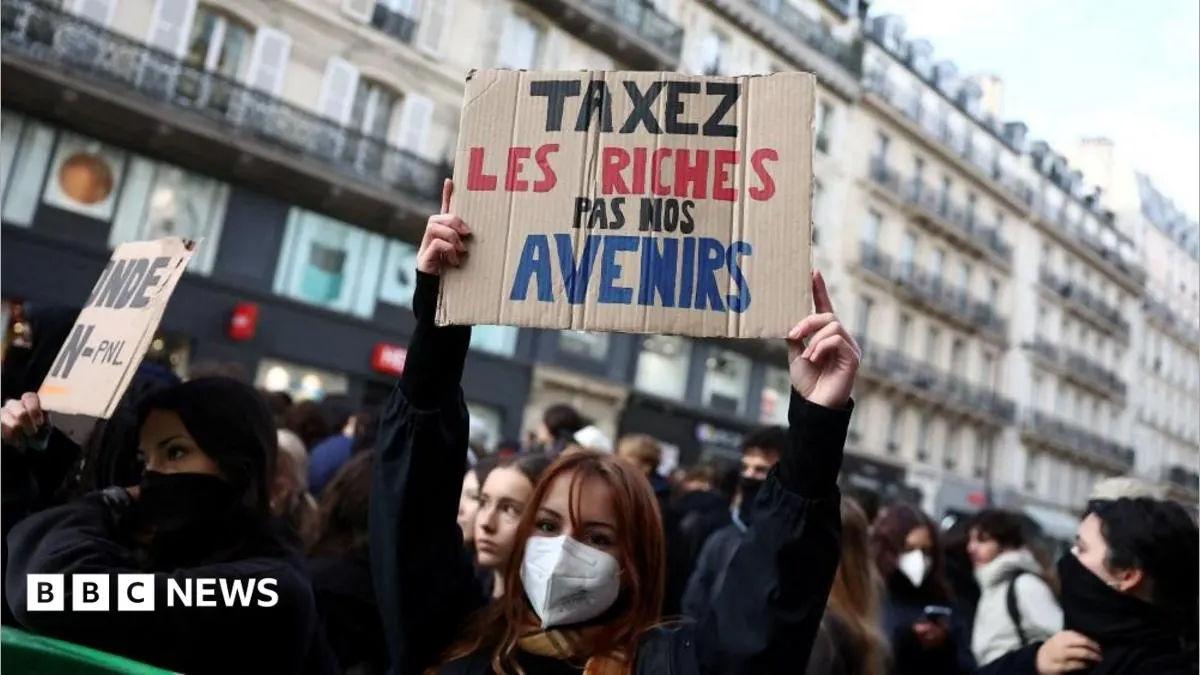
Five French unions have called a national day of strikes and protests over wages, the cost of living and public services, bringing together school students, workers and the yellow-vest movement. The scale of the mobilisation could disrupt schools, hospitals, transport and energy supplies, while testing the government’s response to growing public discontent.
Authorities expect 500,000 to 700,000 people to join marches, with 70,000 police and gendarmes deployed and more than 250 actions planned on 5 November. Unions want a rise in the €12.31 hourly minimum wage, while the CFDT is seeking an additional €100 a month; 81 high schools were closed and about 17.5% of primary schools affected that morning. A central Paris march was approved, though its route was changed, and yellow-vest protesters have called for further action over the following two days.
In short
- Unions are staging a nationwide strike and protest day in France.
- Authorities expect up to 700,000 demonstrators.
- Disruption is reported across schools and other services.
Steelman: both sides, in good faith
The strongest fair case each way — we don't pick a winner.
The case for
Unions can argue that rising living costs and pressure on public services justify higher wages and a stronger public response, especially for workers on the minimum wage. Strikes and demonstrations are legitimate ways to make those concerns heard and press the government to act.
The case against
Critics can argue that widespread strikes impose costs on families, patients and businesses, particularly when schools, hospitals, transport or energy supplies are disrupted. They may also contend that wage increases should be weighed against affordability and economic effects, and that public services should be maintained during disputes.
Read the full article at the source →
Originally published by BBC World as “France gears up for strikes and protests as unions promise national mobilisation”.