World news and discussion on TalkFuse.
Russian strikes on Ukraine’s drug supply chain leave pharmacy shelves empty
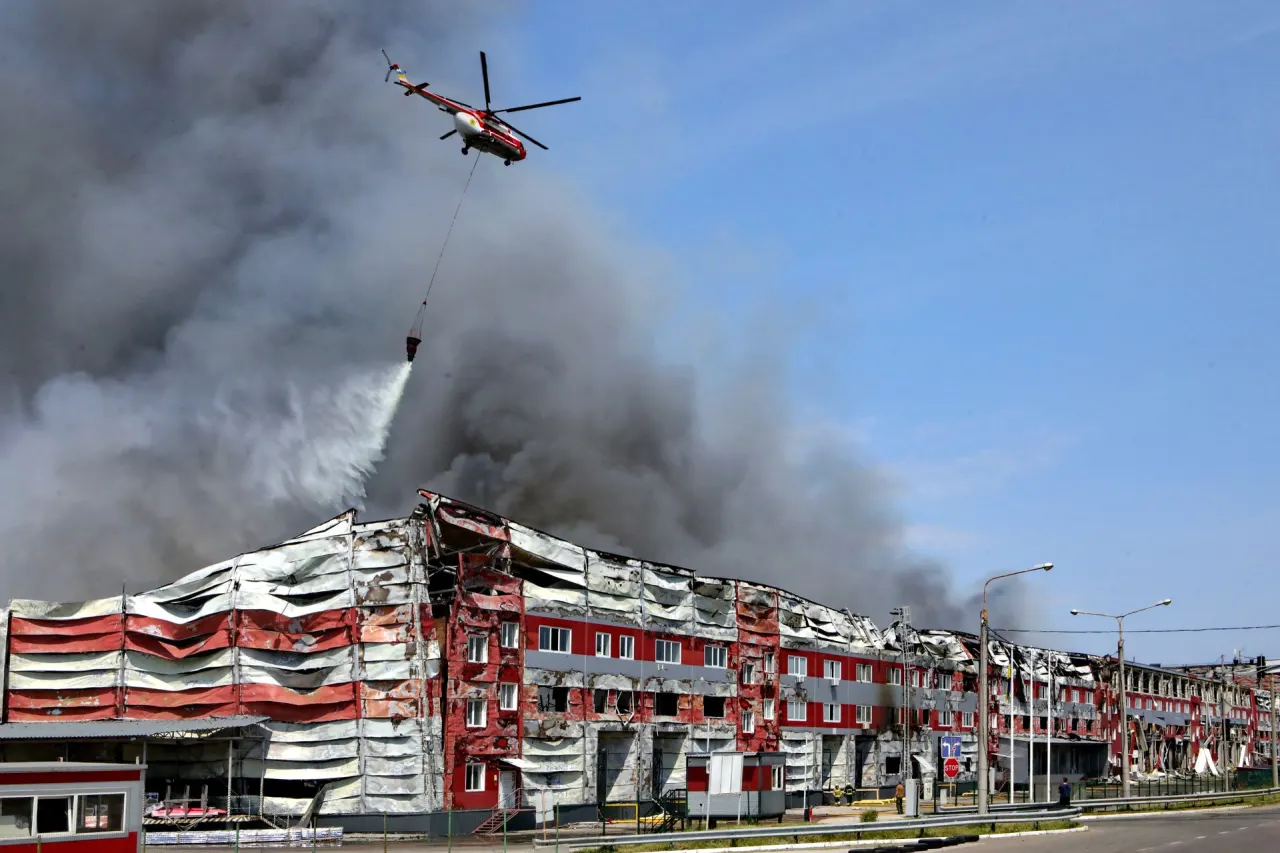
Russian strikes on pharmaceutical warehouses, distribution centres and factories in Ukraine are disrupting supplies and leaving some pharmacy shelves empty. Patients with chronic illnesses have turned to social media to ask people in other cities to buy and send essential medicines, while the attacks add pressure to civilian infrastructure and public morale.
Ukraine is not yet facing a nationwide shortage, but experts warn that local gaps could widen as pharmacy stocks, which typically last about a month, run down. The Health Ministry reported seven strikes on pharmaceutical warehouses and logistics sites in September, with attacks continuing into October. As of 28 October, levothyroxine was extremely difficult to find in parts of eastern, northern and central Ukraine, while the contraceptive pill Qlaira was widely unavailable in western Ukraine.
In short
- Russian attacks are disrupting medicine distribution and production.
- Some patients are asking strangers to send essential drugs.
- Experts warn shortages could widen if strikes continue.
Explained simply
Ukraine relies on a network of medicine makers, warehouses and delivery centres to move drugs from factories to pharmacies. Russian attacks on these sites can interrupt that flow, even when the medicines themselves are still being produced.
The effects vary by place and by medicine. People who need regular treatment may struggle to find a particular drug nearby, while pharmacies and health officials work to move supplies from other areas.
Ukraine has not reported a countrywide medicine shortage, but local gaps matter because some patients cannot safely pause treatment. The disruption also affects civilian services and everyday life during the war.
Europe Health Medicine Russia-Ukraine War World