World news and discussion on TalkFuse.
Brits believe Trump’s US is bigger world peace threat than China or North Korea as support for defence spending boost and close European ties grows
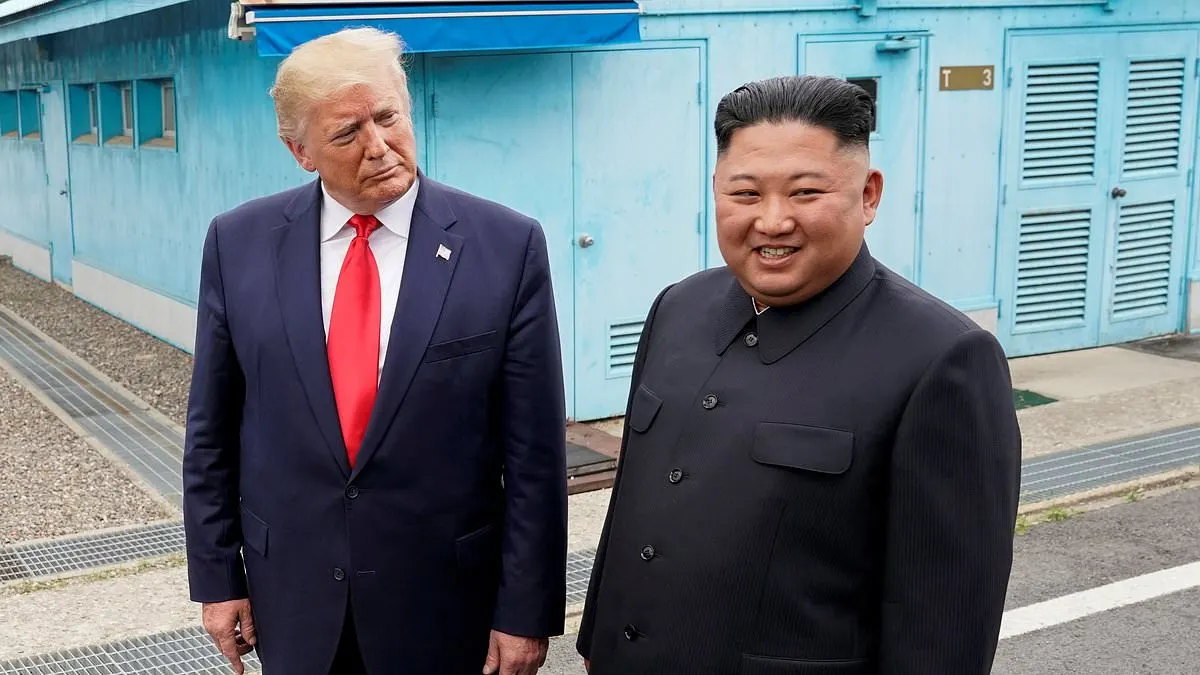
A NatCen survey suggests Britons are increasingly concerned about the United States’ role in global peace under Donald Trump, while support for stronger European ties and higher defence spending is growing. The findings indicate a shift in public attitudes amid conflict in Europe and instability in the Middle East.
The survey found 74 per cent regard the US as a serious threat to world peace, up from 36 per cent in 2024; the figures were 89 per cent for Russia, 66 per cent for North Korea and 62 per cent for China. Asked which relationship best serves Britain’s interests, 42 per cent chose western Europe and 9 per cent the US; on defence ties, 39 per cent favoured both equally. Support for increased defence spending rose from 28 per cent in 2006 to 42 per cent, according to the article.
In short
- More Britons see the US as a threat to global peace.
- 42 per cent favour closer ties with western Europe.
- Support for higher defence spending has risen.
Steelman: both sides, in good faith
The strongest fair case each way — we don't pick a winner.
The case for
Those favouring closer European ties and higher defence spending can argue that Britain should respond to a less predictable security environment by strengthening partnerships with nearby allies and investing more in its own capacity. The survey suggests many people see the US as a less reliable guarantor of peace under Trump, so diversifying relationships may protect Britain’s interests while preserving cooperation with Washington.
The case against
Those cautious about shifting towards Europe or raising defence spending can argue that the survey reflects concern about the current US administration, which may change, rather than a lasting case for reorienting British policy. The US remains a major defence partner, and higher spending has real costs and trade-offs; Britain should preserve close transatlantic ties while weighing any increase against other public priorities.
Americas Asia Europe Government Politics World