Politics news and discussion on TalkFuse.
A midterms of firsts: Records set for women, Black people, gay people, Muslims, Latinos and Indigenous people
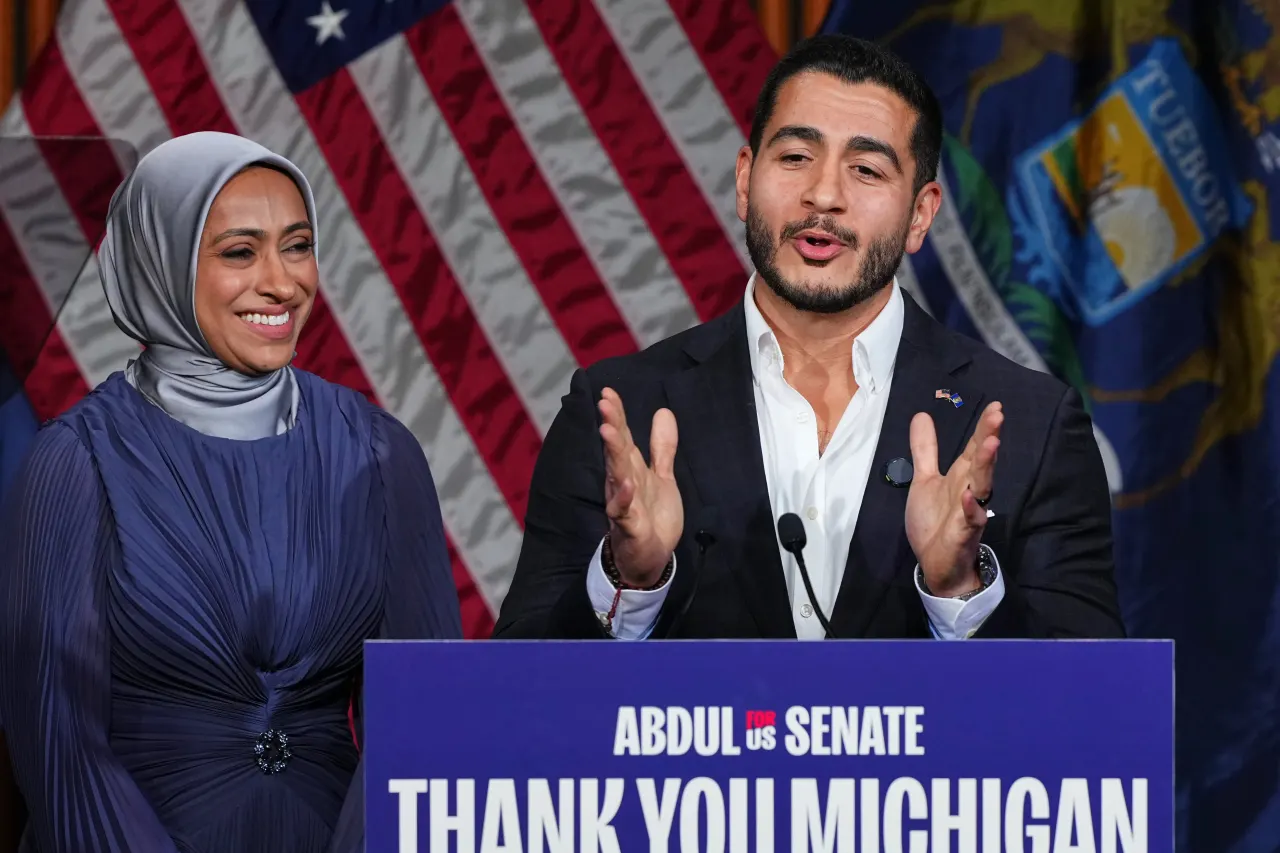
The midterm elections marked several firsts in US politics, as voters elected a record number of candidates from groups historically underrepresented in senior office. The results also delivered Democrats a House majority, creating the prospect that Hakeem Jeffries will become the first Black speaker of the House.
Democrats said women will hold at least 100 seats in the new House. The incoming Senate will include its first Muslim member, El-Sayed, and its first openly gay man, Pappas; Georgia elected Bottoms as its first Black woman governor, while Texas chose Hinojosa as its first Latina governor. A Native American was also elected governor, though the article provides no name or state.
In short
- Democrats expect at least 100 women in the new House.
- The Senate will have its first Muslim member and openly gay man.
- Several historic firsts were elected as governors.
Explained simply
US midterm elections take place halfway through a president’s four-year term. Voters choose all members of the House of Representatives and some senators, as well as state and local officials; Congress makes federal laws and oversees the government.
Women and people from Black, Muslim, gay, Latino and Indigenous communities have historically been underrepresented in these offices. The House is one of Congress’s two chambers, and its members choose a speaker to lead proceedings; the Senate is the other chamber, where senators represent their states.
The elections matter because the people chosen shape national laws and decisions, while governors lead their states and influence state policies. A more varied group of officeholders can also bring a wider range of experiences into public debate.