Technology news and discussion on TalkFuse.
Sam Altman Says It’s ‘Fucking Annoying’ His RAM Comments Were Taken Out of Context
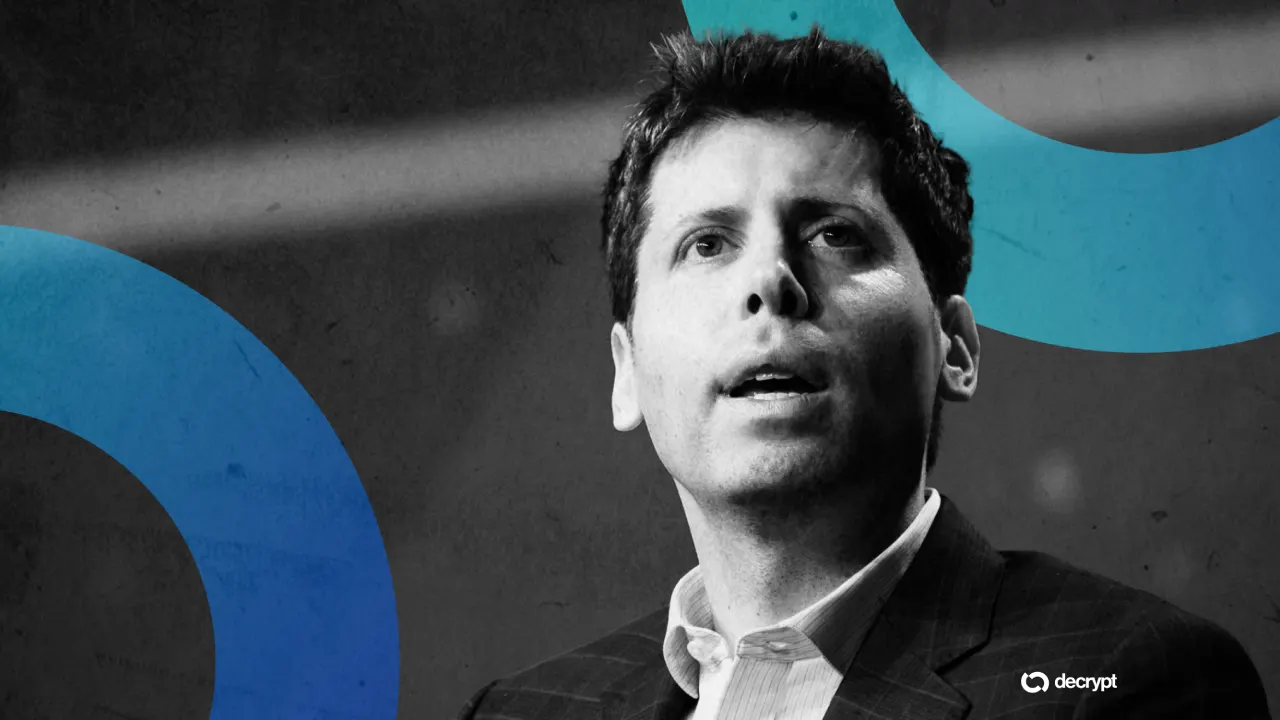
OpenAI chief executive Sam Altman said his comments about computer memory had been taken out of context, arguing that he wants more memory to be produced and available for people’s computers. His clarification followed criticism of remarks suggesting that, during shortages, scarce DRAM is better used in cloud systems than sitting idle in personal computers.
In an interview, Altman said computers may use only 5% of their memory, and called for greater cloud utilisation while supply is constrained. He also criticised memory makers for expanding production too slowly. The dispute comes amid surging demand from AI data centres: SK hynix expects demand to exceed supply through 2030, while the price of 16GB DDR5 chips rose from $8.70 in October 2025 to $48 in September 2026. Consumer devices have also become more expensive, with Meta and Sony raising prices.
In short
- Altman says he wants more memory available for everyone.
- His cloud-efficiency comments drew criticism amid shortages.
- 16GB DDR5 chip prices rose more than 550%.
Steelman: both sides, in good faith
The strongest fair case each way — we don't pick a winner.
The case for
When memory is scarce, prioritising cloud systems could make more capacity available for AI services and other shared computing tasks, rather than leaving some installed memory unused in personal computers. Altman’s clarification also points to expanding total supply as the durable answer, while his criticism of slow production growth reflects concern that demand is outpacing investment.
The case against
Consumers and device makers can reasonably object that cloud demand should not take priority over memory for personal computers, especially when shortages are driving up prices and making devices more expensive. Installed memory may appear underused at a given moment but still matters for users’ needs, and concentrating scarce supply in data centres could leave individuals with less choice and access.
AI Business Companies Technology