World news and discussion on TalkFuse.
Hundreds of thousands rally across France to demand higher wages and school funding
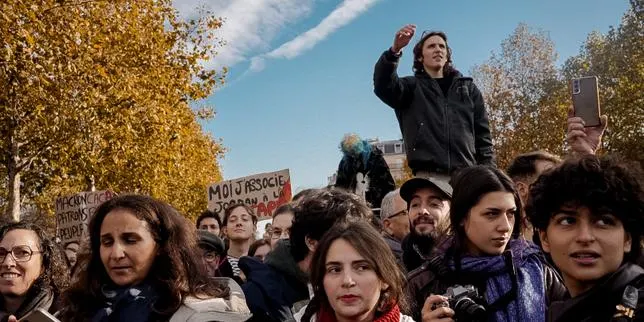
Hundreds of thousands of people joined strikes and demonstrations across France, including in Paris, calling for higher wages and more funding for schools. The protests brought workers, teachers and students together around concerns about living costs, public services and learning conditions.
Crowd estimates differed: the Interior Ministry put turnout at 600,000, while unions claimed 1.6 million. Unions called for general wage rises and tax reforms; the Education Ministry said around 16% of teachers nationwide were on strike. Protesters also objected to restrictions placed on some demonstrations.
In short
- Nationwide rallies called for higher wages and better-funded schools.
- The Interior Ministry estimated 600,000 demonstrators; unions said 1.6 million.
- Around 16% of teachers were reported on strike.
Steelman: both sides, in good faith
The strongest fair case each way — we don't pick a winner.
The case for
Supporters argue that rising living costs make broad wage increases necessary to protect workers’ purchasing power, while better-funded schools are an investment in pupils and the quality of public services. They see large demonstrations and strikes as legitimate ways to press the government to address these concerns and to challenge restrictions on protest.
The case against
Critics may accept the pressures on households and schools but argue that general wage rises and substantially higher school spending could strain public finances, increase taxes or prove poorly targeted. They may also contend that strikes disrupt education and other services, and that limits on particular demonstrations can be justified where needed to protect public order.
Explained simply
France has a large public sector, including state schools, where teachers are employed by the government. Trade unions represent workers and can organise strikes and demonstrations to press for changes to pay and working conditions.
Wages, living costs and the quality of public services are recurring issues in French politics. Schools depend on public funding for staff and resources, so debates about their budgets can affect teachers, pupils and families.
The Interior Ministry and unions often publish different estimates of protest turnout. Their figures are based on separate counting methods, so they can vary considerably.