World news and discussion on TalkFuse.
Canada unveils budget to curb reliance on US
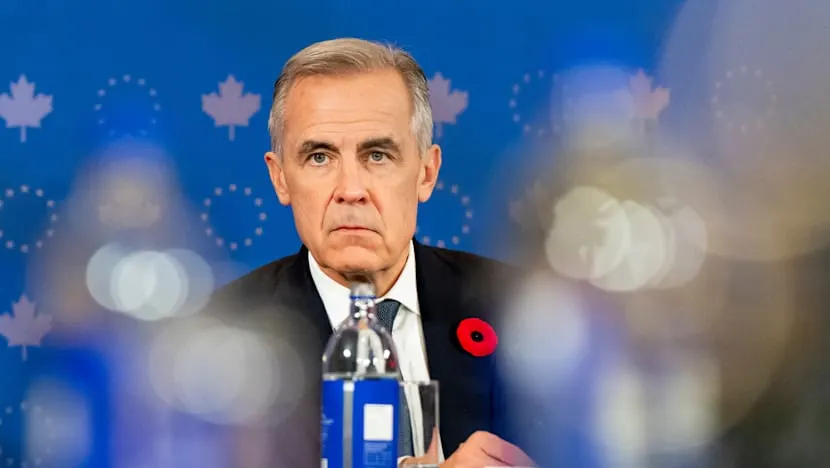
Canada’s government is presenting a budget aimed at reducing the country’s economic reliance on the United States, arguing that relations have changed and pre-Trump tariff-free trade is unlikely to return. Prime Minister Mark Carney says diversifying alliances and strengthening Canada’s independence remain priorities, despite uncertainty over US trade policy after the Republican midterm defeat.
The budget is expected to fund major projects in energy infrastructure and critical-mineral mining, as well as help workers in tariff-hit industries such as autos and steel. US Democrats have promised to oppose tariffs when they take control of Congress next year, but Canadian officials say negotiations must be with the White House. Carney’s Liberals now hold a parliamentary majority, easing the budget’s passage.
In short
- Canada’s budget aims to reduce reliance on the US.
- Investment is expected in energy and critical minerals.
- Support is planned for workers affected by tariffs.
Steelman: both sides, in good faith
The strongest fair case each way — we don't pick a winner.
The case for
Reducing reliance on the US could make Canada less vulnerable to sudden tariff changes and political shifts, while investment in energy links, critical minerals and new trade relationships may strengthen its economic resilience. Supporters can argue that helping workers in affected industries eases the transition and that planning for changed trade conditions is prudent even if US policy later improves.
The case against
Deep economic integration with the US has brought Canadian businesses and workers access to a large nearby market, so deliberately shifting trade and investment could add costs or weaken established industries. Critics may question whether major public spending on new projects will deliver enough benefit, and argue that preserving cooperation with Washington and pursuing trade negotiations could be more effective than treating lasting separation as inevitable.
Explained simply
Canada and the United States have long been closely linked through trade, with goods such as cars, steel and energy crossing the border. That relationship has made the US Canada’s biggest economic partner, but tariffs and uncertainty over trade rules have raised concerns about how much Canada depends on it.
Prime Minister Mark Carney leads the Liberal government, which is responsible for setting the budget and negotiating with Washington. The budget’s plans for energy links and mining aim to build up Canadian industries, while support for workers is intended to help people affected by trade disruption.
The choices matter because trade with the US affects jobs, businesses and the cost of goods in Canada. Building more options could give the country greater room to respond to changes in US policy, though it would take time and investment.