Culture news and discussion on TalkFuse.
Learjet crash exposes danger of flying private — which is up to 80X more deadly than commercial airlines
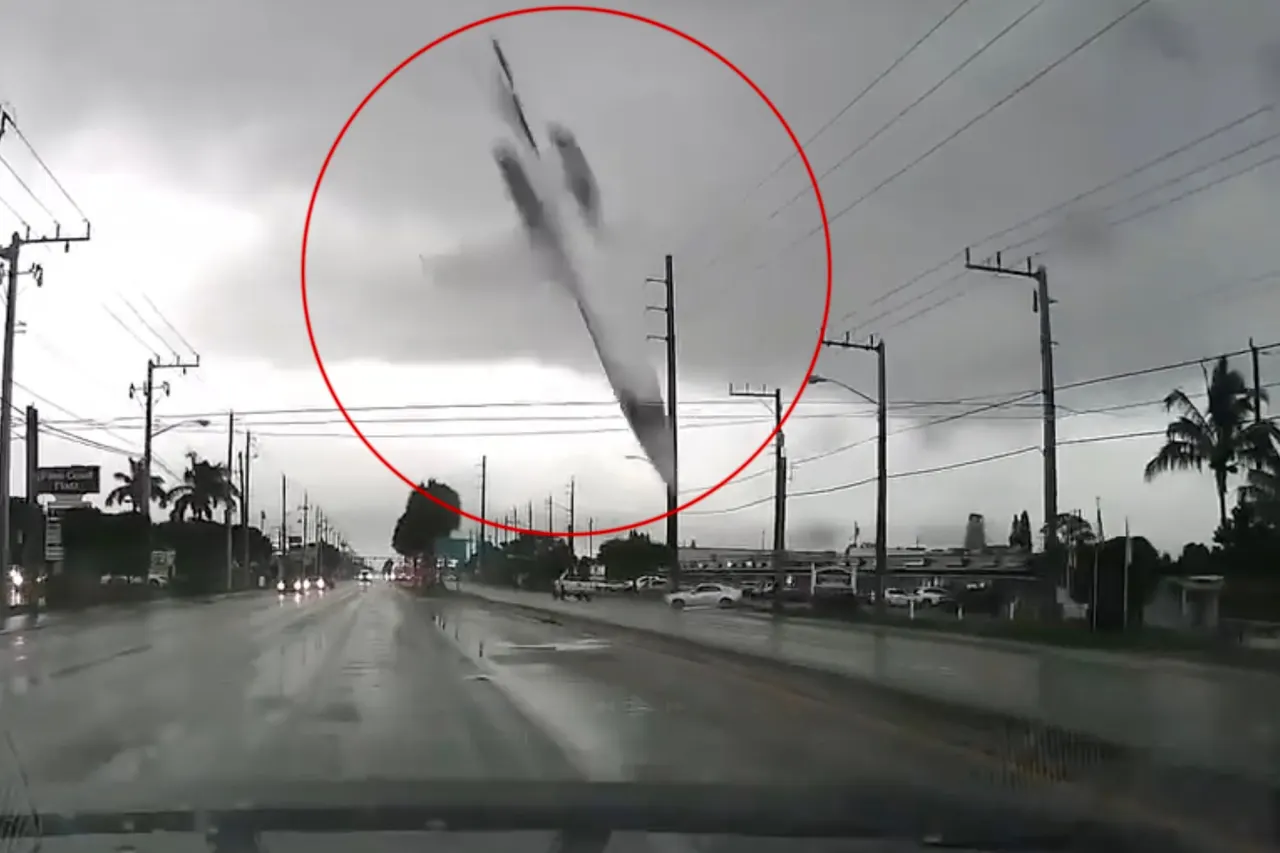
A fatal Learjet crash in Florida has renewed concern about the risks of private flying. NTSB figures show charter flights have had substantially higher fatality rates than scheduled commercial airlines, where US carriers recorded no deaths in 2024.
Over the past decade, charter flights were about 80 times more deadly per 100,000 flight hours, while general aviation crashes killed 300 people in 2024. The article attributes the gap to differences in pilot experience requirements, weather assessment and operational oversight; it also notes that flying remains far safer than driving, with commercial flights estimated to be 700 times safer than car travel.
In short
- US scheduled airlines recorded no deaths in 2024.
- Charter flights had a far higher fatality rate over the past decade.
- Commercial flying remains much safer than travelling by car.
Steelman: both sides, in good faith
The strongest fair case each way — we don't pick a winner.
The case for
Private and charter flying can expose passengers to substantially greater risks than scheduled commercial travel, and the reported fatality-rate gap supports calls for clearer disclosure and stronger safety oversight. More consistent pilot experience standards, weather assessment and operational checks could reduce preventable deaths while helping passengers make informed choices.
The case against
The figures warrant care: charter flights and scheduled airlines differ in aircraft, routes and operating conditions, and a rate per flight hour does not establish the risk of any particular journey. Private and charter services also provide access and flexibility that scheduled airlines may not, while imposing requirements identical to those for large carriers could increase costs or restrict availability; targeted, evidence-based safeguards may address risks more proportionately.
Explained simply
Private flying includes charter flights, where an aircraft is hired for a particular journey, and general aviation, which covers many non-scheduled flights. These differ from commercial airlines, which operate scheduled services under their own safety and oversight systems.
The US National Transportation Safety Board tracks crashes and deaths across these types of flying. The reported gap in fatality rates reflects differences in how flights are operated, including pilot experience requirements, weather decisions and oversight.
The figures help explain why private flying attracts safety scrutiny, though rates vary by type of flight and are measured against time spent flying. Commercial air travel has a very low risk of death, and flying overall remains much safer than travelling by car.