Politics news and discussion on TalkFuse.
Did Midterm Elections Cause Changes in News World Order?
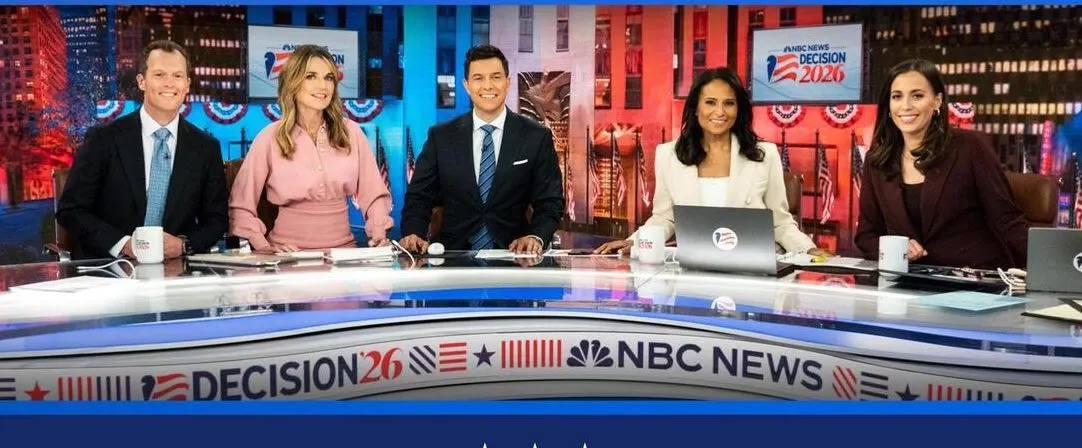
NBC News drew the largest primetime audience for coverage of the 2026 US midterm elections, as voters gave Democrats control of both the House and Senate. Its 6.74 million viewers suggest that traditional broadcast networks remained a major destination on election night, while audience patterns differed from those seen in previous elections.
ABC News averaged 5.19 million viewers and Fox News Channel 4.315 million; MS NOW had fewer viewers than the other mainstream outlets except CBS News. CNN led cable among viewers aged 25 to 54, with 1.512 million, ahead of Fox News at 771,000 and MS NOW at 665,000. Across 13 linear networks, 31.2 million people watched primetime coverage, up from 25.4 million across 12 networks in 2022; 57% watched broadcast and 43% cable.
In short
- NBC News led election-night primetime viewing with 6.74 million.
- Total viewership rose to 31.2 million across 13 networks.
- CNN led cable among viewers aged 25 to 54.
Steelman: both sides, in good faith
The strongest fair case each way — we don't pick a winner.
The case for
The figures suggest the midterms may have shifted the balance of election-night news: NBC led in total primetime viewers, broadcast networks accounted for 57% of the audience, and overall viewing across the measured networks rose from 2022. This could indicate that traditional broadcasters remain a trusted, accessible choice for major civic events, even as audiences divide among more outlets.
The case against
A single election night is not enough to establish a lasting change in the news landscape. The totals cover linear television only, and comparisons with 2022 involve a different number of networks; the results may reflect the particular election, schedules or audience choices that night rather than a durable shift in viewers’ habits or trust.
Explained simply
US midterm elections take place halfway through a president’s four-year term. Voters choose all members of the House of Representatives and about a third of the Senate, the two chambers of Congress, which make federal laws and oversee the government.
News organisations compete to attract viewers during election coverage, including on broadcast television and cable channels. Audience figures can show where people turned for updates and how viewing was divided between types of television, but they do not by themselves explain why viewers chose one outlet or what they thought of its coverage.
The figures also distinguish between the total audience and viewers aged 25 to 54, a group often tracked separately by broadcasters and advertisers. Comparing election nights can indicate shifts in viewing, though the number of channels measured and changes in how people watch news affect those comparisons.
Elections Entertainment Politics TV