World news and discussion on TalkFuse.
Commentary: Singapore’s haze law gets sharper teeth. Will it finally bite?
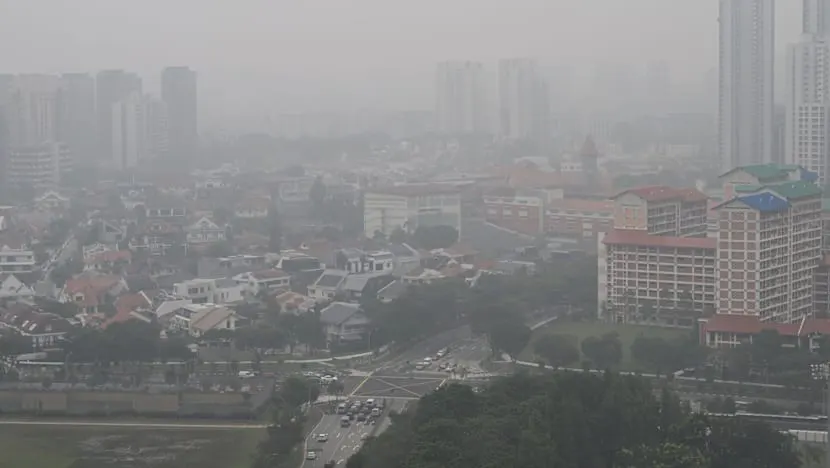
Singapore has passed amendments to its Transboundary Haze Pollution Act after its worst haze episode in more than a decade. The changes let authorities act when fires abroad create a risk of haze reaching Singapore, giving the law a more preventive role after it went unused for prosecutions or lawsuits since 2014.
Authorities have served notices on 20 companies and summoned leaders of 10 to meet ministers. The amended law allows the environment agency to require suspected companies to appoint assessors, who can inspect land and request documents. Maximum daily fines rise to S$1 million, capped at S$20 million, and civil penalties of up to S$10 million may be imposed under a lower standard of proof.
In short
- Singapore can act before haze reaches the country.
- Companies may have to fund independent land and document inspections.
- Fines rise, and civil penalties offer another enforcement route.
Steelman: both sides, in good faith
The strongest fair case each way — we don't pick a winner.
The case for
The amendments may help Singapore act before smoke crosses its borders, when prevention is more effective than seeking redress after pollution has spread. Giving investigators access to land and records, alongside higher fines and civil penalties based on a lower standard of proof, could make it harder for companies to avoid accountability and better protect public health.
The case against
The law’s preventive reach and lower proof threshold may impose serious costs on companies based on a risk of haze, before responsibility for a particular fire is established. Because the fires occur abroad, inspections and penalties may also be difficult to enforce fairly and consistently; a law that has gone unused for years may have limited impact unless regional cooperation and reliable evidence support it.