Business news and discussion on TalkFuse.
After midterms, Trump is left to weigh his next move in Iran war that contributed to GOP loss
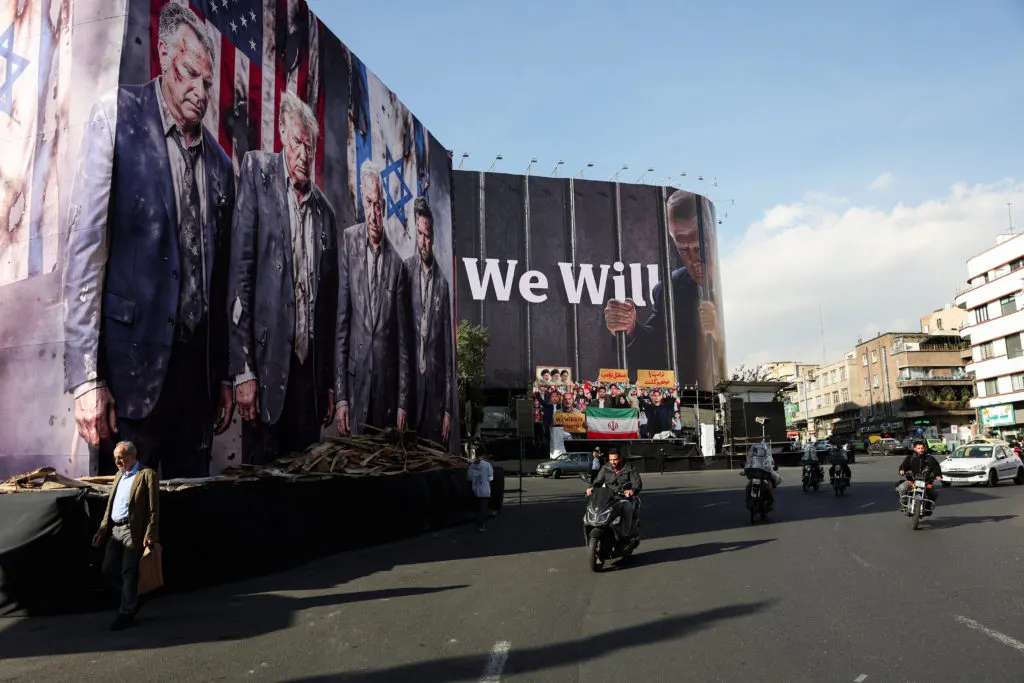
President Donald Trump is weighing whether to escalate the eight-month war with Iran after Republicans suffered heavy losses in the midterm elections, with voter dissatisfaction with the conflict contributing to the result. He has said the election losses are not shaping his calculations and warned the US remains prepared to resume strikes if Iran does not accept a settlement.
The conflict has caused tens of billions of dollars in regional damage and driven up fuel and other costs worldwide. Oil is again moving through the Strait of Hormuz under US naval escorts, but fighting involving Iran-backed Houthi rebels has spread to the Red Sea and worsened Yemen’s humanitarian crisis. Options discussed include maintaining current US military pressure, striking an Iranian nuclear-linked site, or launching a wider bombing campaign; the article text provided ends before setting out the full range of possibilities.
In short
- Trump faces pressure to decide whether to escalate the Iran war.
- War-related costs and regional fighting remain high.
- Possible next steps range from limited pressure to wider strikes.
Steelman: both sides, in good faith
The strongest fair case each way — we don't pick a winner.
The case for
Supporters of continued or stronger military pressure argue that Iran must face credible consequences for its actions and that a settlement without enforcement could leave the threat unresolved. They may see the nuclear-linked facilities and attacks on shipping as urgent security risks, and believe that sustained pressure could protect allies and produce a more durable agreement.
The case against
Opponents argue that escalation risks widening an already costly conflict, worsening civilian suffering in Yemen and elsewhere, and disrupting energy supplies without guaranteeing a lasting settlement. They may also point to the war’s economic costs and voters’ dissatisfaction as reasons to seek a negotiated end rather than expose the US and the region to further harm.
Explained simply
The United States and Iran have had a long-running dispute over Iran’s nuclear programme, regional influence and US sanctions. The current war has drawn in other armed groups in the region, including Yemen’s Houthi rebels, who are backed by Iran.
The Strait of Hormuz is a narrow sea route through which much of the world’s oil travels, so disruption there can affect fuel prices far beyond the region. Fighting has also damaged infrastructure and deepened the humanitarian crisis in Yemen.
Donald Trump leads the US government and commands its armed forces; Iran’s government and military are the other central players. The conflict matters to voters because it affects US security and military policy, as well as household costs such as fuel.
Business Economy Elections Middle East Politics World