World news and discussion on TalkFuse.
Vance ‘privately’ blasts Netanyahu as Iran war divides Trump administration and 2028 ambitions loom
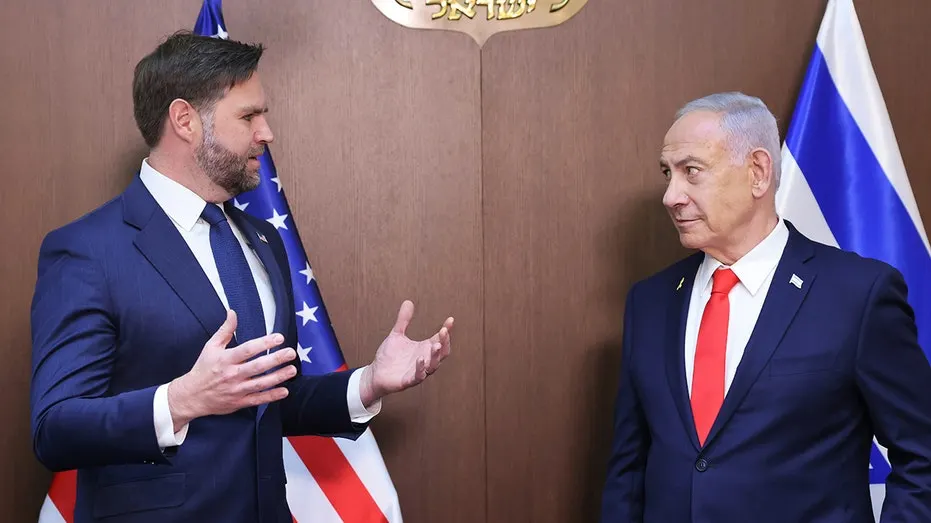
Vice President JD Vance reportedly told colleagues that Israeli Prime Minister Benjamin Netanyahu was “wrong on everything” about the Iran war. The reported disagreement highlights divisions within the Trump administration over whether to keep fighting or negotiate, and gives Vance room to distance himself from an unpopular policy as speculation grows about his 2028 presidential plans.
Vance publicly blamed the war for Republicans losing control of both chambers of Congress in the midterm elections and has urged President Donald Trump to pursue a negotiated settlement. About six in 10 voters said US military action against Iran was the wrong decision, according to the AP Voter Poll. Vance has also pursued talks through Qatari intermediaries, with a proposal that negotiations address Iran’s nuclear programme; Netanyahu had urged Trump to resume strikes, but Trump held off.
In short
- Vance reportedly criticised Netanyahu’s approach to the Iran war.
- He is pressing Trump to seek a negotiated settlement.
- The dispute may shape Vance’s distance from Trump ahead of 2028.
Steelman: both sides, in good faith
The strongest fair case each way — we don't pick a winner.
The case for
Vance’s reported criticism can be seen as a principled effort to challenge a costly war that lacks broad public support and risks further casualties and instability. Pursuing negotiations, including limits on Iran’s nuclear programme, could offer a way to protect US interests while avoiding an open-ended conflict; a vice-president also has reason to press for a policy he believes is more sustainable.
The case against
Critics could argue that publicly distancing himself from the war and seeking talks while it is under way risks weakening US unity and leverage, particularly if Iran sees division as an opportunity to resist meaningful constraints. Netanyahu’s call to resume strikes may reflect a judgement that military pressure is needed to deter Iran or prevent a greater security threat, and Vance’s stance could be viewed as shaped partly by domestic political calculations ahead of 2028.
Explained simply
The United States and Israel have long been close allies, but their leaders can differ over how to deal with Iran. Iran’s nuclear programme and its support for armed groups in the region have been sources of tension, while military action risks widening conflict and talks can take time to produce results.
Donald Trump is president, JD Vance is his vice-president, and Benjamin Netanyahu is Israel’s prime minister. Within the US administration, officials may disagree over whether to continue military action or seek a negotiated settlement; talks involving Qatar can provide a channel between governments that do not negotiate directly.
The dispute matters because decisions about Iran affect US security, relations with Israel and the risk of a broader regional conflict. It also sits alongside domestic political pressures, as Vance is a possible future presidential candidate and voters’ views of the war may affect the Republican Party.