World news and discussion on TalkFuse.
Top California university’s tired obsession with race in the legal crosshairs — again
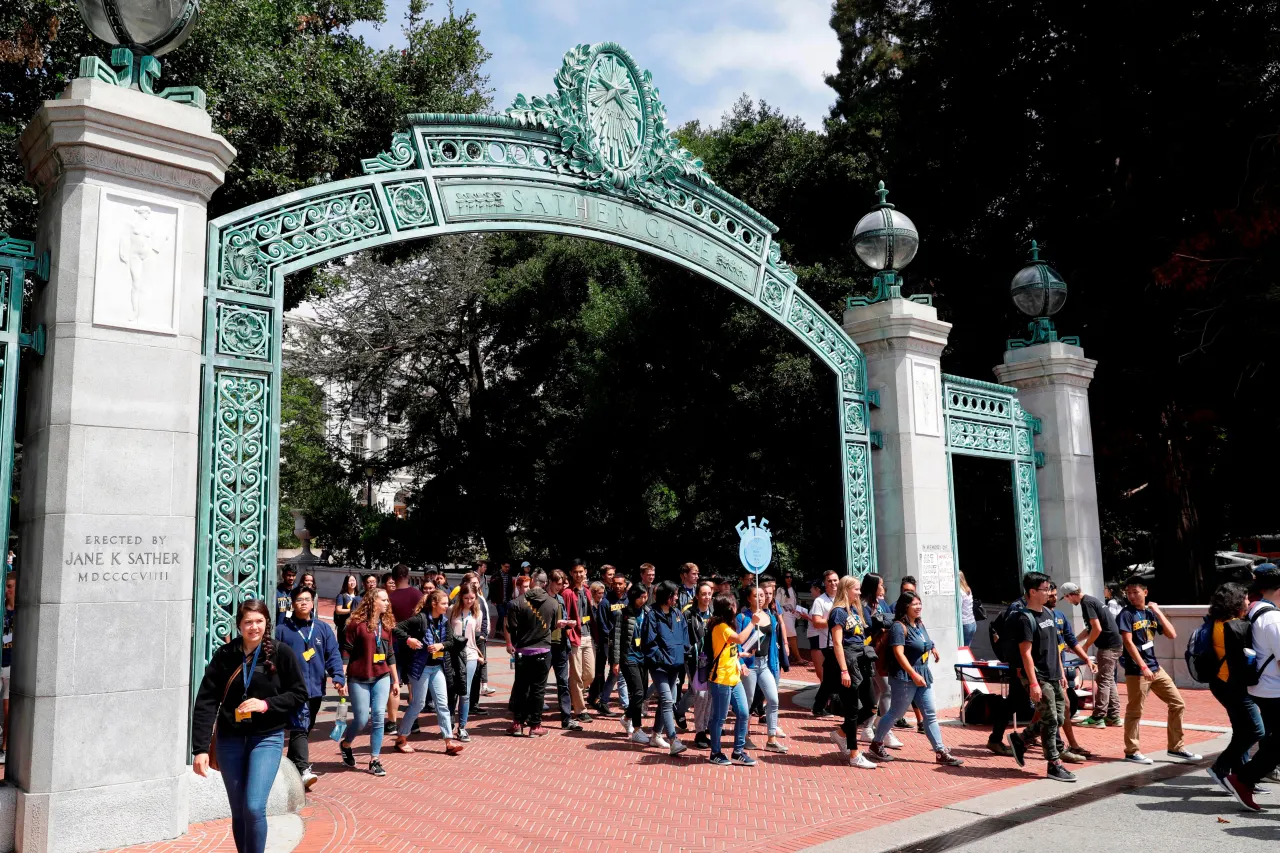
The US Department of Education is investigating UC Berkeley over three student programmes and two scholarships, following a complaint alleging they may favour students on the basis of race. The opinion article argues that Berkeley should make the programmes open to all students and says the probe highlights a wider dispute over race-conscious policies at California universities.
The complaint, filed in February by the Legal Insurrection Foundation, names the African American Student Development Office, Black Resource Center, Latinx Student Resource Center, African American Initiative Scholarship and Lloyd A. Edwards Scholarship. The article cites California’s Proposition 209, the rejection of Proposition 16 in 2020 and the US Supreme Court’s 2023 ruling against race-based university admissions preferences. It also says Berkeley has faced other federal civil rights investigations, including findings about its law school’s admissions practices in 2024 and 2025.
In short
- Federal officials are investigating five Berkeley programmes and scholarships.
- The complaint alleges they may discriminate by race.
- The article calls for university opportunities to be open to all.
Steelman: both sides, in good faith
The strongest fair case each way — we don't pick a winner.
The case for
The investigation raises a legitimate question about whether publicly funded university programmes and scholarships comply with laws barring racial preferences. Supporters of opening them to everyone argue that equal access should not depend on race, and that universities can address disadvantage through income, need or other criteria without excluding students by racial identity. They also see scrutiny as a way to ensure that rules adopted after Proposition 209 and the Supreme Court’s admissions ruling are applied consistently.
The case against
Supporters of the programmes argue that dedicated cultural centres, advising and scholarships can respond to specific barriers and help students find community and support, without determining admission to the university. They may contend that offering targeted services does not necessarily deny other students access to comparable resources, and that the legal question depends on each programme’s design and eligibility rules. From this perspective, a federal investigation should establish the facts before treating the programmes as unlawful.