Culture news and discussion on TalkFuse.
‘Too many stories exist only to make you think you’re on the right side’: Cristian Mungiu on Fjord, his disquieting social drama
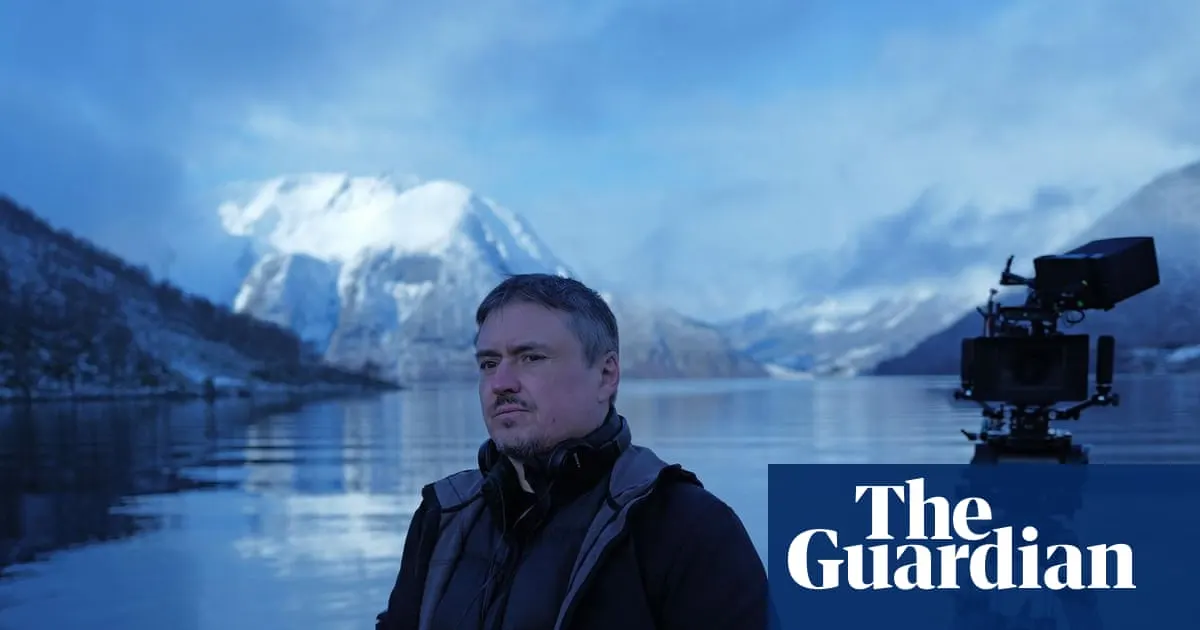
Cristian Mungiu’s new film, *Fjord*, follows a Romanian-Norwegian family whose move to Norway brings their conservative Christian beliefs into conflict with the country’s liberal norms. When a teacher notices bruises on the eldest child, authorities investigate and separate the parents from their children, turning a family dispute into a wider test of how Europe handles cultural difference.
Mungiu says national identities and cultures remain distinct despite ambitions for a united Europe, and that stories should not simply reassure audiences they are on the “right side”. His earlier films have explored migration and its effects, including the fact that about a quarter of Romanians live abroad. *Fjord* is itself an international co-production, echoing the debate over whether cross-border filmmaking risks producing culturally homogenised films.
In short
- *Fjord* examines a Romanian family’s clash with Norwegian child protection services.
- Mungiu questions whether Europe has overcome its national and cultural divisions.
- The film continues his focus on migration and globalisation.
Steelman: both sides, in good faith
The strongest fair case each way — we don't pick a winner.
The case for
A liberal state has a duty to protect children, and teachers and authorities cannot ignore signs of possible abuse simply because a family’s beliefs are culturally or religiously grounded. Shared safeguarding standards can help ensure children’s safety and rights are upheld consistently, while cross-border filmmaking can bring different experiences into conversation and make social conflicts visible.
The case against
Child protection is essential, but intervention should be proportionate and attentive to context: bruises alone may not establish abuse, and separating children from parents can cause serious harm if authorities act too hastily. Critics may also argue that imposing one society’s norms without careful engagement risks treating cultural difference as suspicion, while pressure for international appeal can flatten the distinct identities that give stories their meaning.