World news and discussion on TalkFuse.
Britain’s tech ambitions depend on minerals made in China, MPs warn
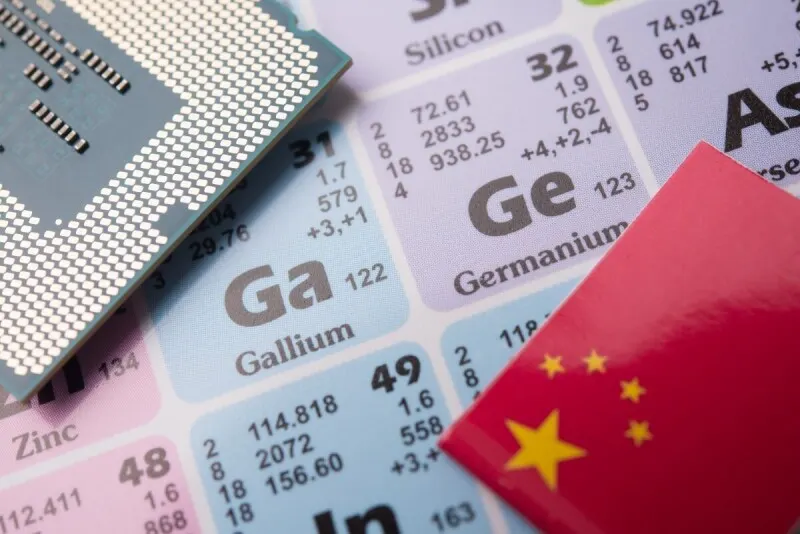
The Commons Business, Innovation, Science and Trade Committee warns that Britain’s plans for AI, advanced chips and clean energy rely on mineral supply chains heavily controlled by China. MPs say they cannot be confident the government meets any of ten tests for securing critical minerals, raising doubts about whether it has a credible plan to reduce the country’s exposure.
The committee says diversifying supply could take 10 to 15 years and needs sustained investment and cooperation with allies; entirely excluding China is neither realistic nor desirable. China leads the refining of 19 of 20 strategic minerals, with an average 70 per cent market share, and accounts for 95 per cent of gallium and 93 per cent of germanium production. MPs call for confidential supply-chain mapping and stress tests with firms, followed by joint purchasing arrangements to support new mining and refining projects.
In short
- MPs doubt the government can secure critical mineral supplies.
- China leads refining for 19 of 20 strategic minerals.
- Diversifying supply may take 10 to 15 years.
Steelman: both sides, in good faith
The strongest fair case each way — we don't pick a winner.
The case for
The committee’s warning supports the case that Britain should act now to reduce its exposure: concentrated control of minerals essential to technology and clean energy could leave industry vulnerable to disruption or political pressure. Mapping supply chains, stress-testing risks and working with allies to back alternative sources could improve resilience, even if diversification takes years.
The case against
A strong counterargument is that reducing dependence cannot mean trying to exclude China or rapidly duplicating supply chains: China’s dominant role and the long lead times make that unrealistic and potentially costly. Government-backed purchasing and investment should therefore be carefully targeted and coordinated with allies, while maintaining workable trade with China and avoiding promises of self-sufficiency that the evidence does not support.
Asia Government Politics UK World