Politics news and discussion on TalkFuse.
Laura Kuenssberg on how British politics became so toxic
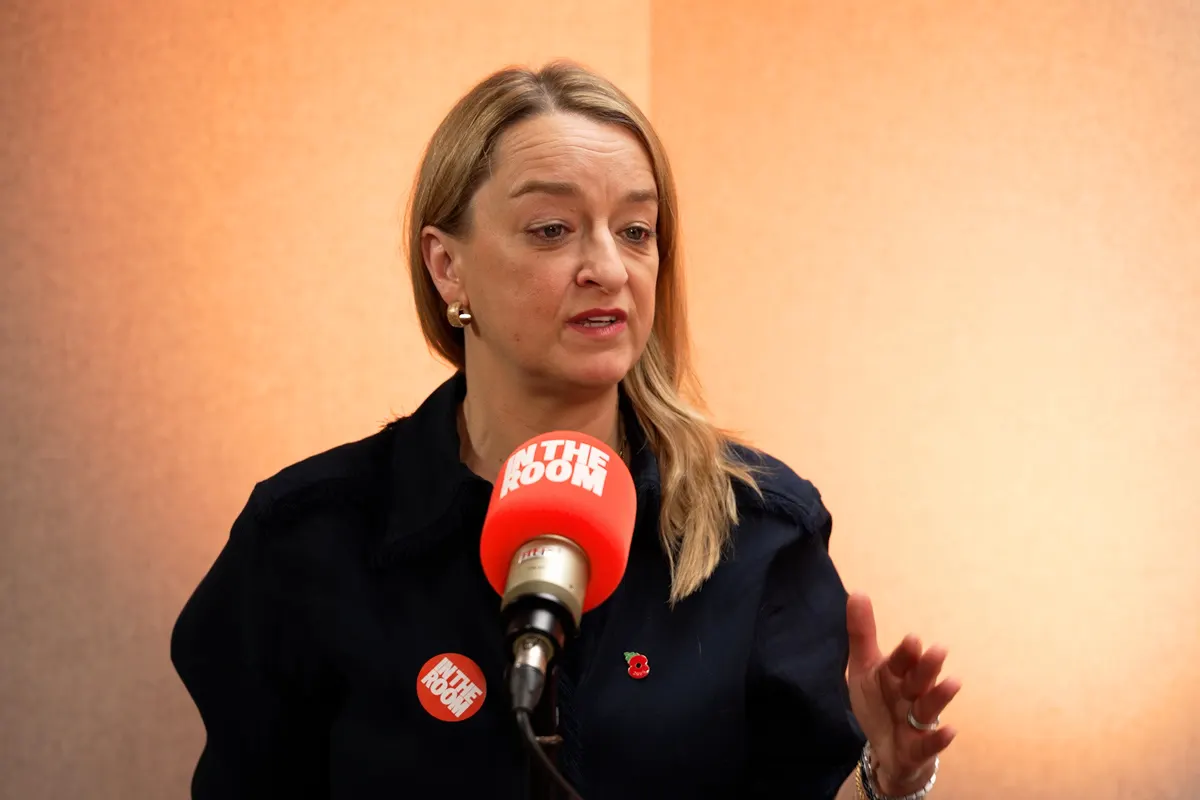
BBC journalist Laura Kuenssberg says politicians across Britain’s political spectrum are increasingly attacking the media’s fairness to avoid answering difficult questions. She argues that this approach, associated with Donald Trump’s “fake news” rhetoric, can undermine scrutiny by casting journalists as biased or dishonest.
Kuenssberg cited Nigel Farage’s criticism of the media, Green Party leader Zack Polanski’s rejection of questions about a party dispute over Zionism, and Jeremy Corbyn’s 2017 exchange with ITV News. She contrasted these tactics with David Cameron and Boris Johnson’s use of humour to deflect questions, saying the newer approach challenges the legitimacy of the conversation itself. She also argued that major broadcasters still reach large audiences and can hold politicians to account.
In short
- Kuenssberg says media-bias claims are being used to dodge scrutiny.
- She says the tactic spans parties, from Farage to Polanski.
- Major broadcasters still draw large audiences, she argues.
Steelman: both sides, in good faith
The strongest fair case each way — we don't pick a winner.
The case for
Politicians have a legitimate reason to challenge coverage they believe is unfair: journalists and broadcasters have influence, and scrutiny is stronger when it is accurate, even-handed and open to correction. Pointing out perceived bias can give voters context and hold the media to account, particularly when difficult questions are framed in ways a politician considers misleading.
The case against
Repeatedly alleging media bias to avoid answering substantive questions can weaken public scrutiny, especially when the claim is not supported or addressed with evidence. If politicians cast journalists as inherently dishonest, audiences may become less able to distinguish a genuine correction from an effort to discredit uncomfortable reporting, reducing accountability.