News, events and chat from Sheffield and South Yorkshire.
Sheffield council pulls back from the brink… or does it?
Developing story first seen 2 hours ago
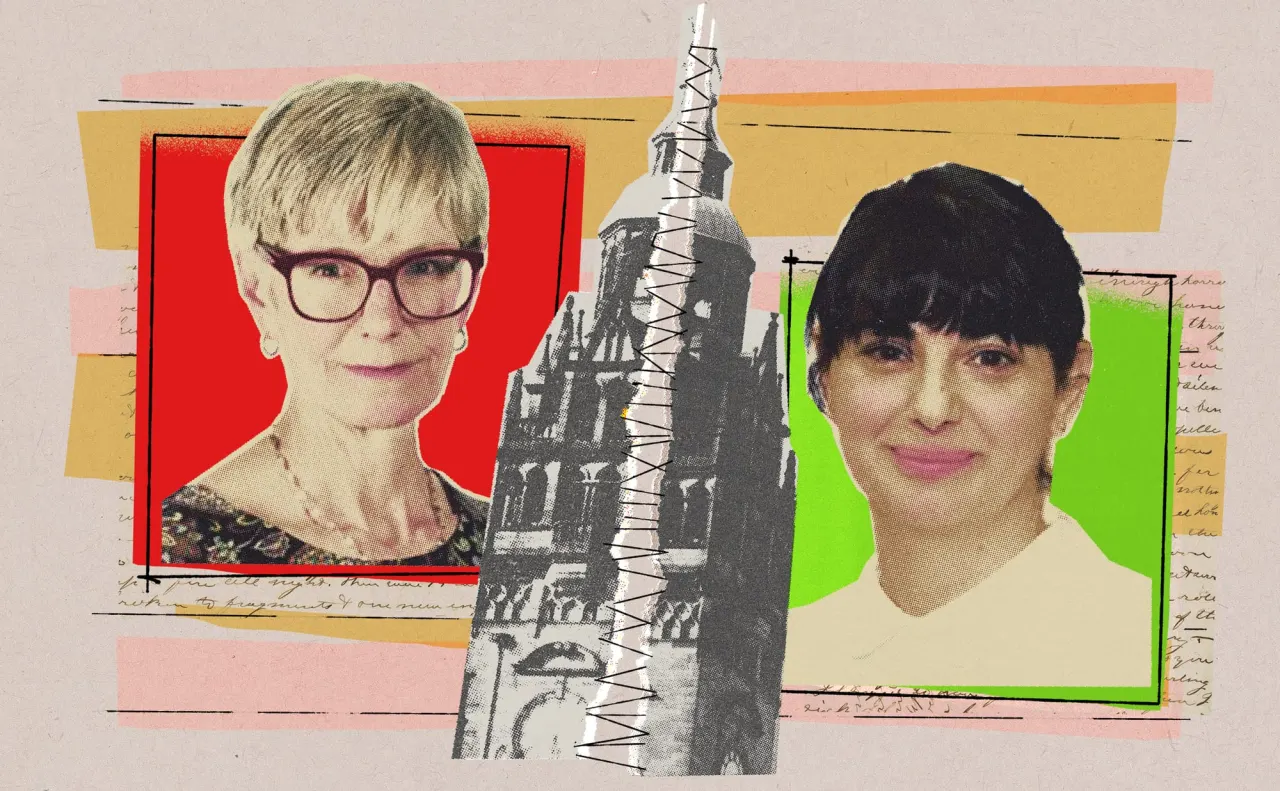
Sheffield’s Labour and Green groups have moved from appearing ready to end their five-year governing partnership to preparing to renew it, a sharp reversal after public claims that trust between them had collapsed. The change leaves open whether they can continue to govern together after days of acrimonious exchanges.
Labour leader Fran Belbin had said the party would govern alone, while Green leader Angela Argenzio said relations had already been strained. Their dispute intensified over events in the Middle East, against a background of leadership changes and opposition to the local plan. Community activist Nicole Jewitt had publicly appealed for the parties to find a way forward; the supplied article text does not explain what prompted the reversal or what was agreed.
- Sources
- 2
- Outlets
- 2
- Left · Centre · Right
- 0 · 0 · 0
In short
- Labour and the Greens have shifted towards renewing their Sheffield coalition.
- Their partnership had seemed close to ending after a public breakdown in trust.
- The article excerpt does not explain what changed.
How this story developed
- 50 minutes ago Sheffield’s Labour and Green groups appeared close to ending their five-year power-sharing arrangement after a public breakdown in trust, but moved towards repairing it within days. The rapid change has left the coalition’s future uncertain, particularly as national politicians become involved.
- 54 minutes ago Sheffield’s Labour and Green groups have moved from appearing ready to end their five-year governing partnership to preparing to renew it, a sharp reversal after public claims that trust between them had collapsed.
Steelman: both sides, in good faith
The strongest fair case each way — we don't pick a winner.
The case for
Renewing the partnership could preserve stable administration and allow Labour and the Greens to work through disagreements inside government, where they can negotiate compromises and remain accountable for delivering local services. Their willingness to reconsider separation may reflect a recognition that cooperation serves residents better than prolonged political conflict.
The case against
A renewed partnership may be difficult to sustain if trust has genuinely broken down and the parties remain divided over major issues. Governing together without resolving those disputes could prolong public acrimony and blur accountability, while governing separately might let each party state its position more clearly.
Explained simply
Sheffield City Council is run by elected councillors, and its administration depends on which groups can work together to make decisions. Labour and the Greens have governed in partnership for five years, sharing responsibility for running the council.
Their relationship has faced tensions over events in the Middle East, changes in party leadership and opposition to the council’s local plan, which sets out how the city may develop. Community activist Nicole Jewitt has urged the groups to find a way forward, while Labour leader Fran Belbin and Green leader Angela Argenzio are central to the discussions.
Whether the partnership continues matters because it could affect how the council is run and whether the two groups can agree on local decisions. The supplied information does not say what prompted the change in direction or what, if anything, the parties agreed.