Technology news and discussion on TalkFuse.
Anthropic is making biotech boasts, but scientists are wary of hype around ‘curing cancer’
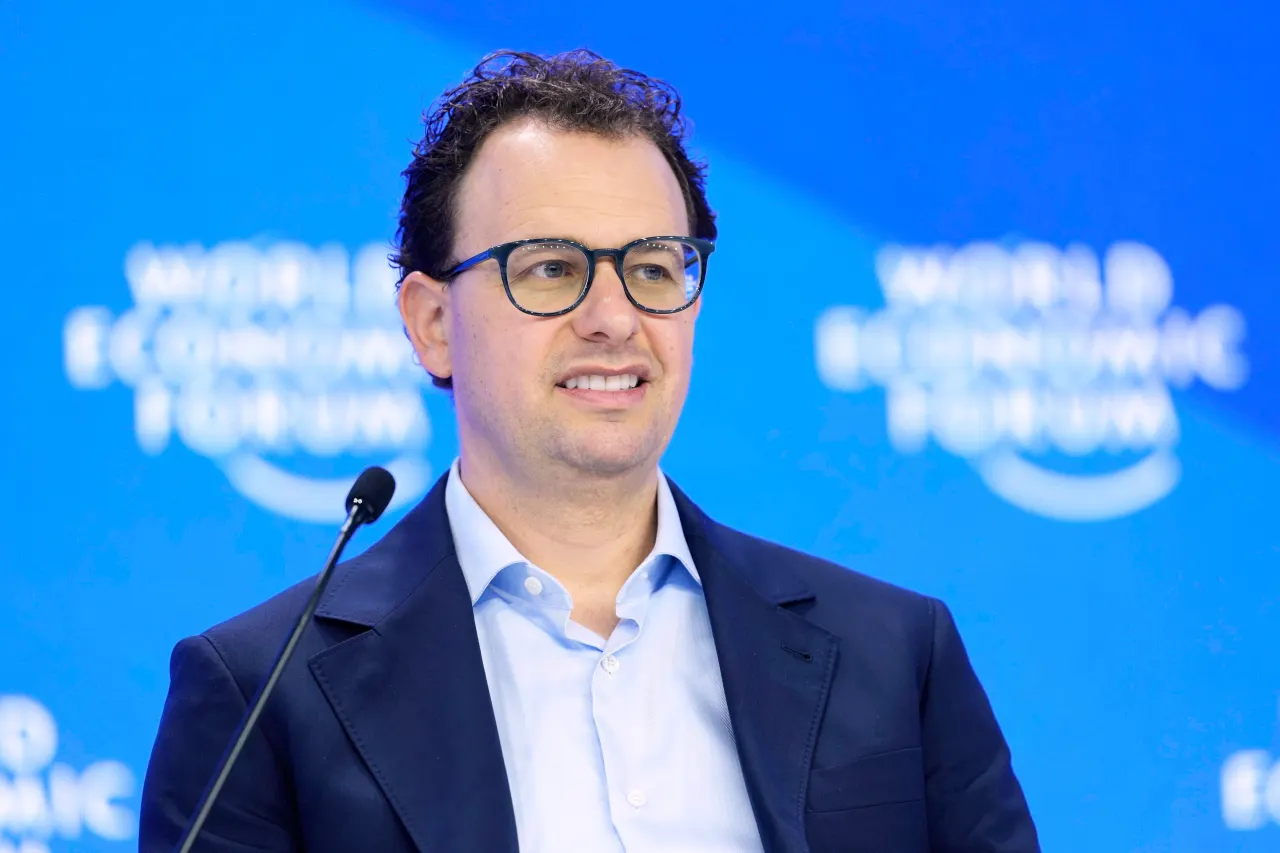
Anthropic is expanding into biotechnology, opening a Bay Area biology lab, acquiring two biotech startups and partnering with drugmakers as it promotes AI’s potential to speed up medical research. Its chief executive, Dario Amodei, has suggested AI could compress decades of biological progress into five to 10 years, but scientists caution that claims about curing cancer remain unproven.
AI tools are already being used in medicine, including to support personalised treatments, but no AI-developed drug has received full US Food and Drug Administration approval. Only about one in 10 drugs entering human trials reach the market, and for cancer drugs the figure is closer to one in 20. Anthropic says its work is at an early, mostly preclinical stage; researchers say success in people, not lab results, will show whether the technology can deliver.
In short
- Anthropic is investing in biotech and promoting AI’s medical potential.
- No AI-developed drug has full FDA approval.
- Cancer drug development still faces steep clinical trial odds.
Steelman: both sides, in good faith
The strongest fair case each way — we don't pick a winner.
The case for
AI could help researchers analyse vast biological datasets, identify promising targets and design experiments more quickly, potentially accelerating parts of drug discovery. Anthropic’s investment in a lab and industry partnerships may help turn these tools into practical research, and early-stage work need not prove a cure to have value if it improves personalised treatment or makes development more efficient.
The case against
Biology is complex, and promising laboratory results often fail to translate into safe, effective treatments for people; the low rate at which drugs reach the market underlines that gap. With no AI-developed drug yet fully approved in the US, claims that AI could compress decades of progress or help cure cancer risk outrunning the evidence and encouraging unrealistic expectations.
AI Business Companies Health Markets Medicine Research Science Technology World