Politics news and discussion on TalkFuse.
In the GOP, a new 2028 race
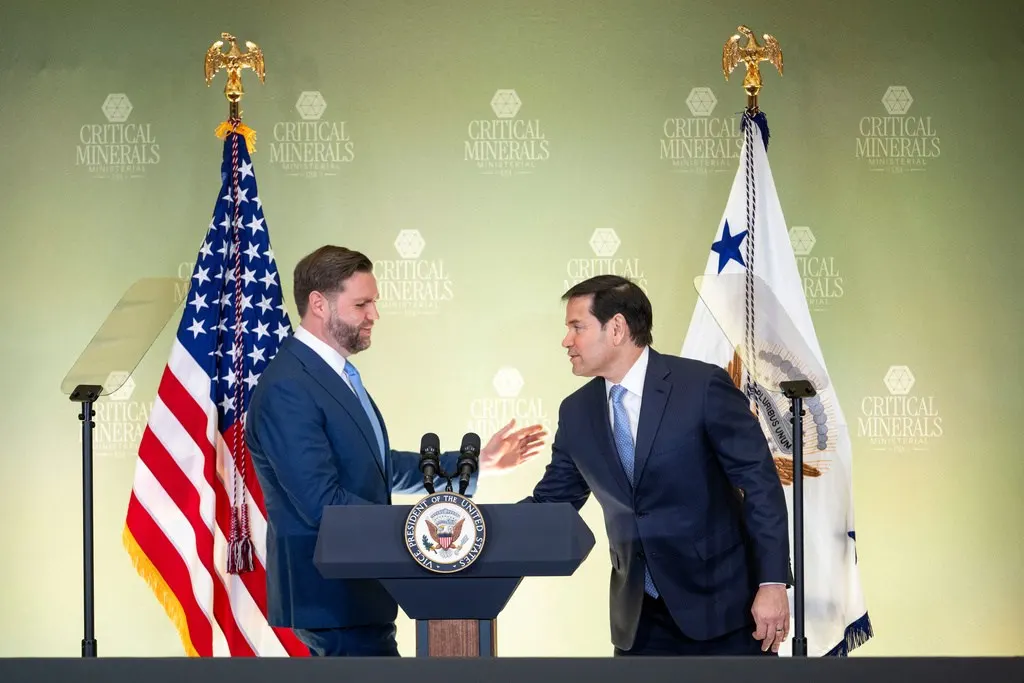
The article argues that the Republican Party’s heavy midterm defeat may have reshaped the contest to choose its 2028 presidential nominee. Rather than a likely contest between Vice President JD Vance and Secretary of State Marco Rubio, party supporters are questioning whether either can win after serving in an administration voters may have rejected.
Vance faces scrutiny over his role in the Iran war and peace talks, while Rubio’s close association with President Donald Trump could also be a liability. One Republican operative described Vance as badly weakened, said Rubio’s intentions remain unclear, and judged Trump’s influence over the nomination to have diminished. Meanwhile, outgoing Florida Governor Ron DeSantis drew attention by crediting his advice for Republicans’ comparatively strong results in his state.
In short
- The midterm defeat has made the 2028 Republican race less certain.
- Vance and Rubio may both be weakened by their ties to Trump.
- Ron DeSantis gained visibility after Florida Republicans fared relatively well.
Steelman: both sides, in good faith
The strongest fair case each way — we don't pick a winner.
The case for
A heavy midterm defeat can be a warning that voters want a change in direction, making it reasonable for Republicans to reconsider candidates closely tied to the administration. Vance’s role in the Iran war and Rubio’s association with Trump could make it harder for either to appeal beyond the party’s existing base, while DeSantis may be better placed to present himself as a fresh option.
The case against
A midterm loss does not by itself determine who can win a presidential primary or general election, and candidates’ standing can change substantially before 2028. Vance and Rubio may still draw support from voters who value continuity, experience and the administration’s priorities; DeSantis’s claims about Florida’s results may not translate into a broader national advantage.