Politics news and discussion on TalkFuse.
Millions can’t afford to follow government’s stockpiling advice, research finds
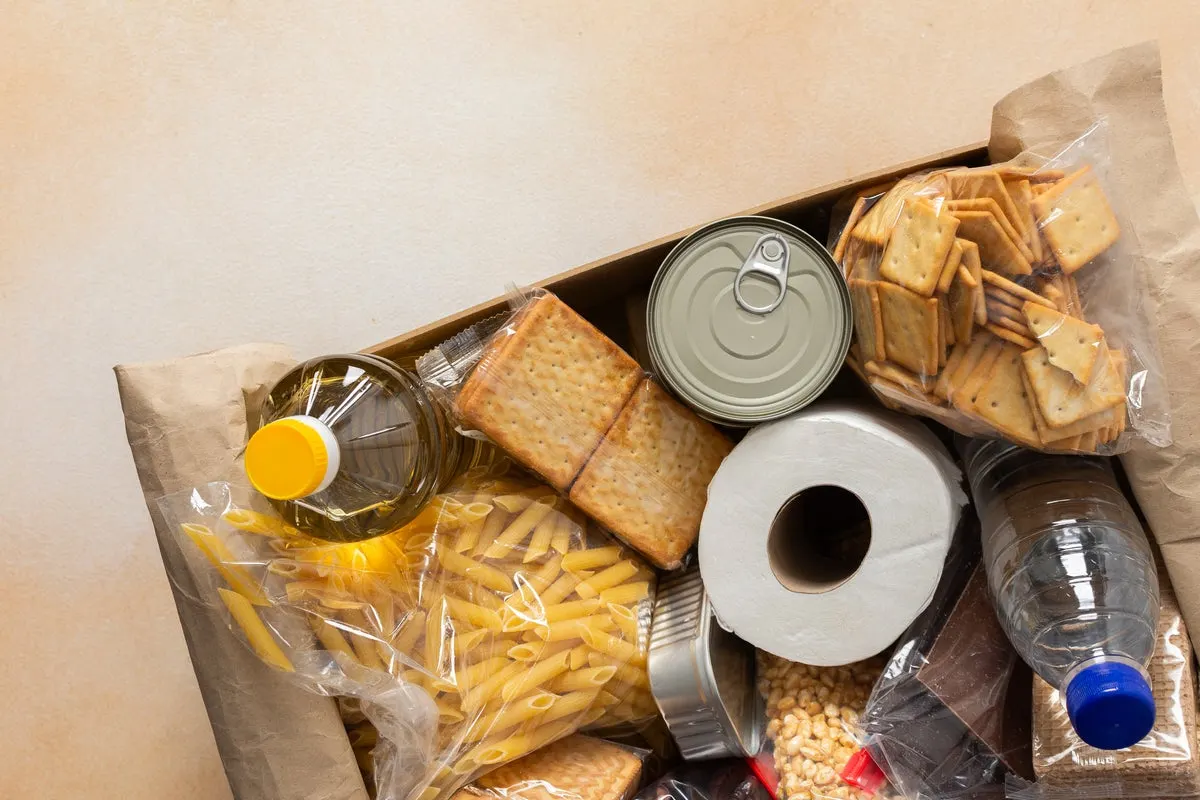
Research by the Verdant think tank finds that 3.1 million UK households cannot afford the government’s recommended three-day emergency stockpile. The findings raise concerns that advice to prepare for crises such as extreme weather, cyberattacks and blackouts may leave poorer families exposed if they lack the means to follow it.
The checklist requires bottled water and non-perishable food, with a bare minimum cost of £12 and typical costs nearing £20 per adult; ready-to-feed baby formula adds £12 per infant. The estimate covers 6.4 million people, including 2.1 million children, and excludes items such as torches and radios. Affordability is lower among renters and benefit recipients: one in three council tenants and a quarter of housing association tenants cannot pay, and seven in ten affected households receive Universal Credit. Verdant suggests a one-off payment for those households would cost the government £70 million.
In short
- 3.1 million households cannot afford the recommended emergency supplies.
- A basic three-day reserve costs at least £12.
- Verdant says a one-off payment could cost £70 million.
Steelman: both sides, in good faith
The strongest fair case each way — we don't pick a winner.
The case for
A household emergency supply can help people cope during blackouts, severe weather or disrupted deliveries, and the government has reason to encourage preparation before a crisis. Since millions cannot afford even the basic checklist, a targeted one-off payment could make the advice practical for vulnerable households and reduce the risk that children and others go without essentials.
The case against
Emergency preparation can improve resilience, but public funds are limited and a payment for stockpiling may be less effective than support that addresses urgent needs during a crisis or helps households build supplies over time. The government could also focus on community emergency provision and clearer guidance on low-cost essentials, while assessing whether the proposed payment would reach those most at risk.