Technology news and discussion on TalkFuse.
The Guardian view on the AI backlash: American voters want a say in their future | Editorial
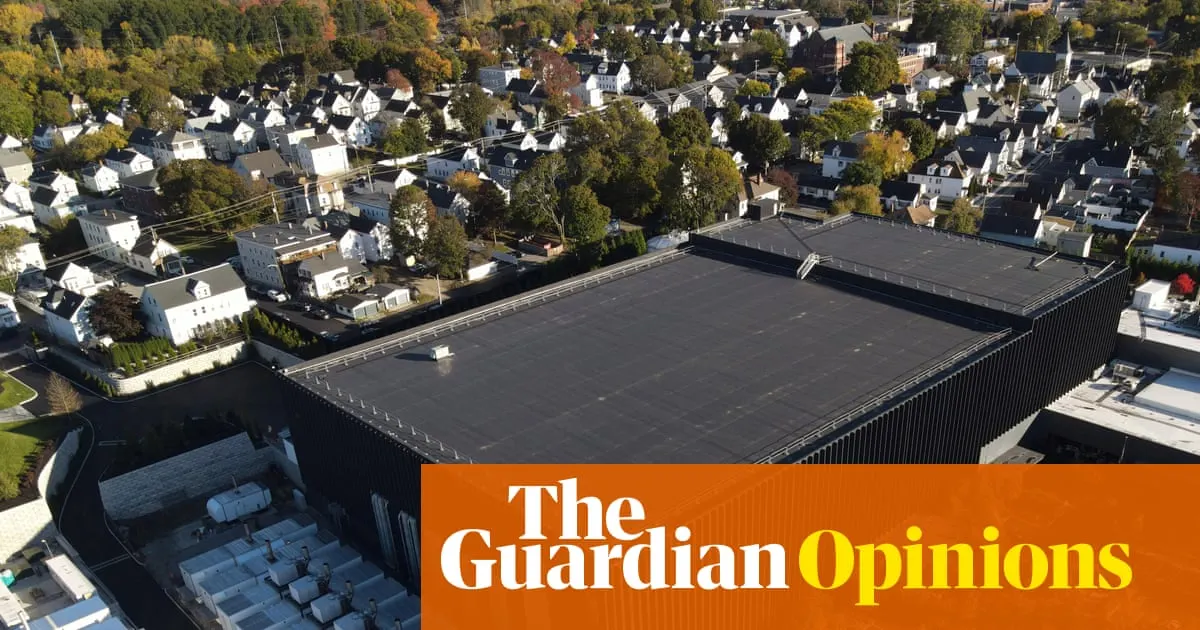
The article argues that US voters are pushing back against the rapid expansion of artificial intelligence, and that the recent Democratic gains give politicians an opportunity to regulate the industry. It says investors’ retreat reflects doubts about whether huge AI spending will deliver the profits expected, while communities are concerned about the costs of data centres.
The sell-off wiped $3.2tn from markets in Wall Street’s worst day since the pandemic; Nvidia lost more than $400bn in value, and Elon Musk lost $113bn in two days. The editorial says Democrats campaigned on data-centre impacts including electricity prices, water use and local disruption, and may pursue independent safety testing, clearer liability and protections for workers. It also notes that AI was cited as a reason for 120,000 US job losses this year, and calls for productivity gains to be shared fairly.
In short
- AI-related shares fell sharply after Democratic election gains.
- Voters are concerned about data-centre costs and AI safeguards.
- The editorial calls for worker protections and accountability.
Steelman: both sides, in good faith
The strongest fair case each way — we don't pick a winner.
The case for
Rapid AI expansion can impose real costs on communities through higher electricity demand, water use and disruption, while workers face uncertainty as employers adopt new systems. Voters and elected officials therefore have a legitimate role in setting safety standards, clarifying who is liable for harm and ensuring productivity gains are broadly shared.
The case against
AI investment could support innovation, economic growth and useful services, so regulation that is too broad or prescriptive may slow development and weaken the United States’ position in a competitive field. Market losses and job cuts cited alongside AI do not by themselves show that the technology’s benefits will fail to materialise or that regulation is the best response; targeted rules and time for firms to adapt may better balance public concerns with continued innovation.
AI Americas Business Elections Markets Politics Technology World