World news and discussion on TalkFuse.
Big Name Brands Signal Americans Have More Price Pain To Endure
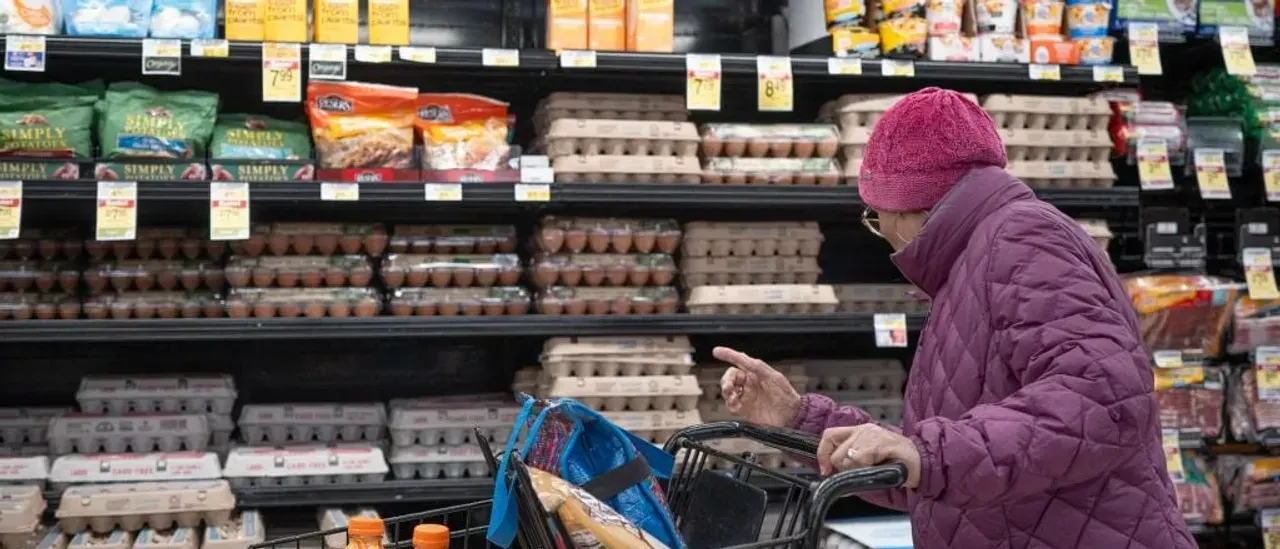
Major household and food brands are raising prices or warning of further increases as commodity, transport and manufacturing costs rise. The changes could add to Americans’ cost-of-living pressures, while declining sales volumes suggest shoppers are becoming more reluctant to pay higher prices.
Reynolds Consumer Products raised prices 9% across its business in the third quarter, including 18% in Cooking & Kitchen Essentials, while retail volume fell 7%; revenue was $944 million and net income dropped to $58 million. Kraft Heinz reported $6.1 billion in quarterly sales, down 2%, and said further selective price rises may come in 2027. Clorox cited higher costs as its gross margin fell to 40.4% from 41.7%, while Procter & Gamble forecast about $1.4 billion in after-tax commodity cost pressures for fiscal 2027.
In short
- Household brands are raising prices as business costs climb.
- Reynolds’ prices rose 9%, while sales volume fell 7%.
- Kraft Heinz and P&G also expect continued cost pressure.
Steelman: both sides, in good faith
The strongest fair case each way — we don't pick a winner.
The case for
Companies can argue that higher prices are needed to cover rising commodity, transport and manufacturing costs and keep products reliably available. If they absorb those costs indefinitely, profits and investment may suffer, potentially leading to cuts in production, jobs or product quality.
The case against
Shoppers can argue that repeated price rises place an unfair burden on households already facing cost-of-living pressures, especially when sales volumes are falling as people resist paying more. The brands’ size and market position may also give them room to absorb some cost increases or seek efficiencies before passing the full burden on to customers.