World news and discussion on TalkFuse.
Hockey great Wayne Gretzky defends relationship with President Trump and speaks on Russian hockey ban
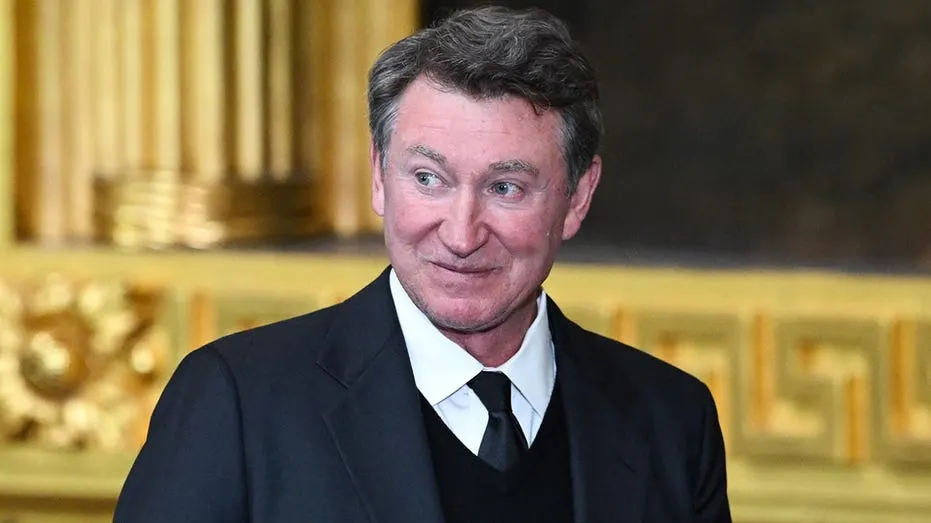
Wayne Gretzky defended his friendship with US President Donald Trump, saying people are entitled to their own opinions. The relationship has drawn criticism in Canada, particularly amid Trump’s comments about Canada becoming the 51st US state, and has strained some Canadians’ affection for the hockey legend.
At an event in Toronto honouring his father, Gretzky also addressed the exclusion of Russian and Belarusian teams from the upcoming World Junior Hockey Championship in Alberta. He said he hoped the war in Ukraine would end and backed Prime Minister Mark Carney’s position that those teams should not compete in Canada while it continues. Six European countries have also threatened to boycott matches against Russia.
In short
- Gretzky says people can hold their own views about his Trump friendship.
- He supports keeping Russian and Belarusian teams out of the tournament.
- Six European nations have threatened to boycott games against Russia.
Steelman: both sides, in good faith
The strongest fair case each way — we don't pick a winner.
The case for
Gretzky’s defenders could argue that a personal friendship does not mean endorsing every political statement or policy, and that people should be free to maintain relationships across political differences. On hockey, barring Russian and Belarusian teams while the war continues can be defended as a principled response to the invasion and a way to avoid treating participation as separate from the conflict.
The case against
Critics could argue that public friendships with powerful political figures carry symbolic weight, especially when that figure has made remarks Canadians see as threatening their country’s sovereignty; Gretzky’s standing may therefore make his association feel consequential, not merely private. They could also contend that excluding Russian and Belarusian teams risks penalising athletes for their governments’ actions and politicising sport, while weakening the international competition’s claim to fair and consistent participation.
Americas Europe Government Politics World