Business news and discussion on TalkFuse.
Prediction Markets Called the Midterms. Lawmakers Still Call Them Gambling.
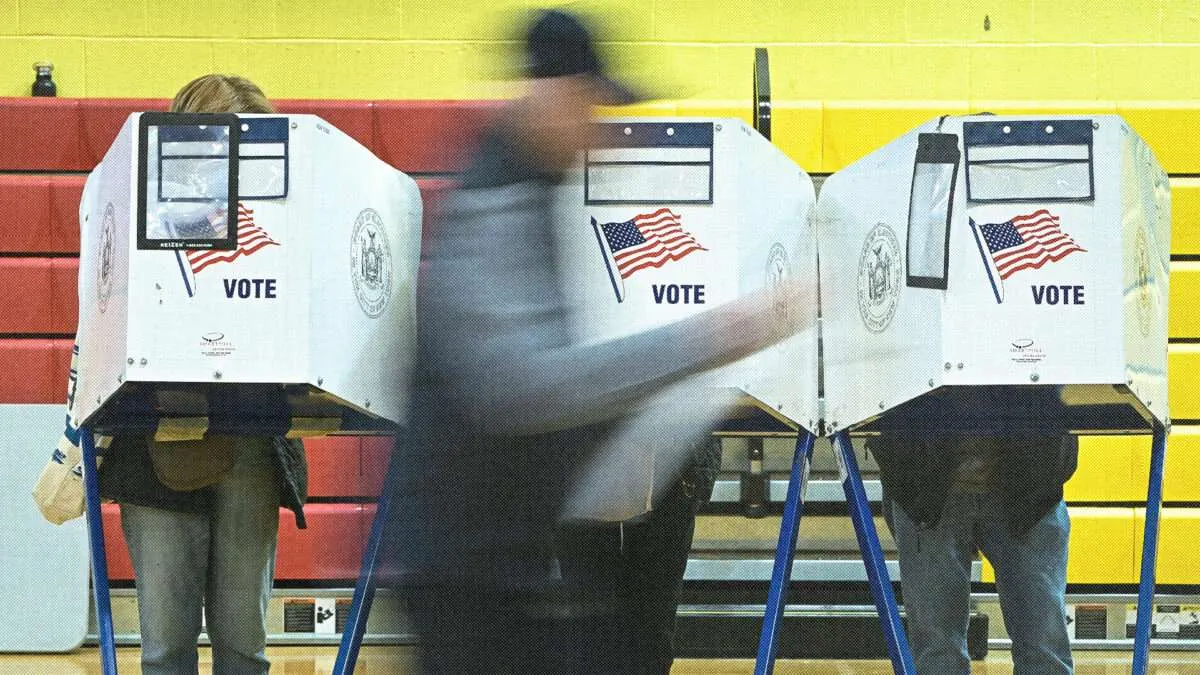
Prediction markets correctly signalled a strong Democratic performance in the US midterms, with leading platforms giving the party a high chance of taking both chambers before votes were counted. Their accuracy could bolster their standing as forecasting tools, but the markets’ growing popularity is also drawing scrutiny from lawmakers concerned about gambling and election integrity.
The article says Americans placed nearly $1.9 billion in wagers across more than 7,000 midterm outcomes, while Kalshi recorded $2.5 billion in election trading. Kalshi said its leading forecasts were correct in 479 of 487 races, or 98 per cent. Some lawmakers have proposed banning election-related contracts, citing risks such as insider trading; experts quoted in the article argue markets can complement polls by estimating probabilities rather than measuring voter intentions.
In short
- Prediction markets forecast the Democrats’ midterm gains with high accuracy.
- Kalshi said its favourite won 479 of 487 races.
- Lawmakers are pushing to restrict election-related trading.
Steelman: both sides, in good faith
The strongest fair case each way — we don't pick a winner.
The case for
Prediction markets can aggregate dispersed information and update quickly, offering probability estimates that complement polls rather than claim to measure voter intentions. Their strong record across the reported races may make them useful tools for journalists, researchers and the public, while a regulated market could bring trading into clearer view and deter misconduct.
The case against
Election contracts turn democratic outcomes into financial wagers, which may encourage gambling and create incentives to exploit confidential information or influence events. Even if forecasts are often accurate, lawmakers may reasonably judge that the integrity and public trust elections require outweigh the informational benefits, and favour banning these markets.
Business Elections Markets Politics