World news and discussion on TalkFuse.
Christa Pike ‘thinks she knows better’ than medical providers, being consoled by Buddhist spiritual advisor after botched execution
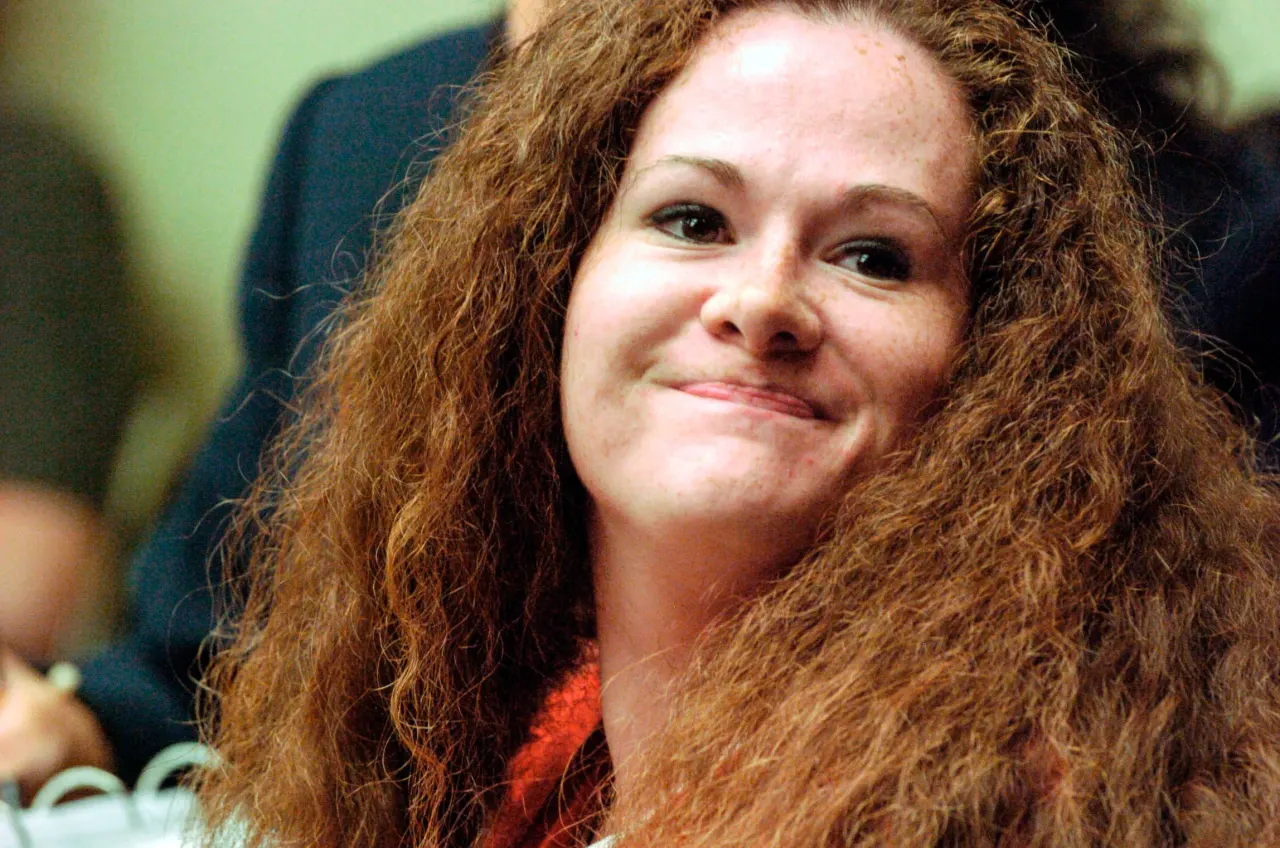
Christa Pike remains in a prison infirmary more than five weeks after surviving a failed execution, and Tennessee is opposing her request to move to a less restrictive unit. The dispute matters because her lawyers say continued confinement there breaches a settlement and limits her contact with other prisoners, while the state says her medical needs and security status make a transfer unsafe.
Pike, 50, was taken to hospital after two doses of pentobarbital were administered on 30 September and returned to the infirmary on 9 October. A state medical official says she needs constant access to staff and equipment, is assessed daily, and has no known discharge date; her lawyers have reported burns, nerve damage, cognitive difficulties and psychological trauma. Tennessee says the assisted-living unit Pike seeks cannot provide the intensive care she needs, while officials say she has received visits from her lawyers and Buddhist spiritual adviser. The governor has paused executions through the end of the year while the procedure is reviewed.
In short
- Pike remains under round-the-clock care after a failed execution.
- Tennessee says the requested prison transfer cannot meet her medical needs.
- The state has paused executions through year-end pending a review.
Steelman: both sides, in good faith
The strongest fair case each way — we don't pick a winner.
The case for
Tennessee’s case is that Pike still needs immediate access to medical staff and equipment, and officials assess her needs daily without a clear discharge date. If the assisted-living unit cannot provide that level of care, keeping her in the infirmary may be necessary for her safety and to manage security risks.
The case against
Pike’s lawyers argue that continued infirmary confinement is more restrictive than necessary and breaches the settlement they cite. Given the reported physical and psychological harm she has suffered, they can reasonably argue that officials should find a safe placement that supports her recovery and allows more contact with other prisoners.