World news and discussion on TalkFuse.
UK conscription bombshell as ‘every single Brit’ will be needed to fight WW3 soon
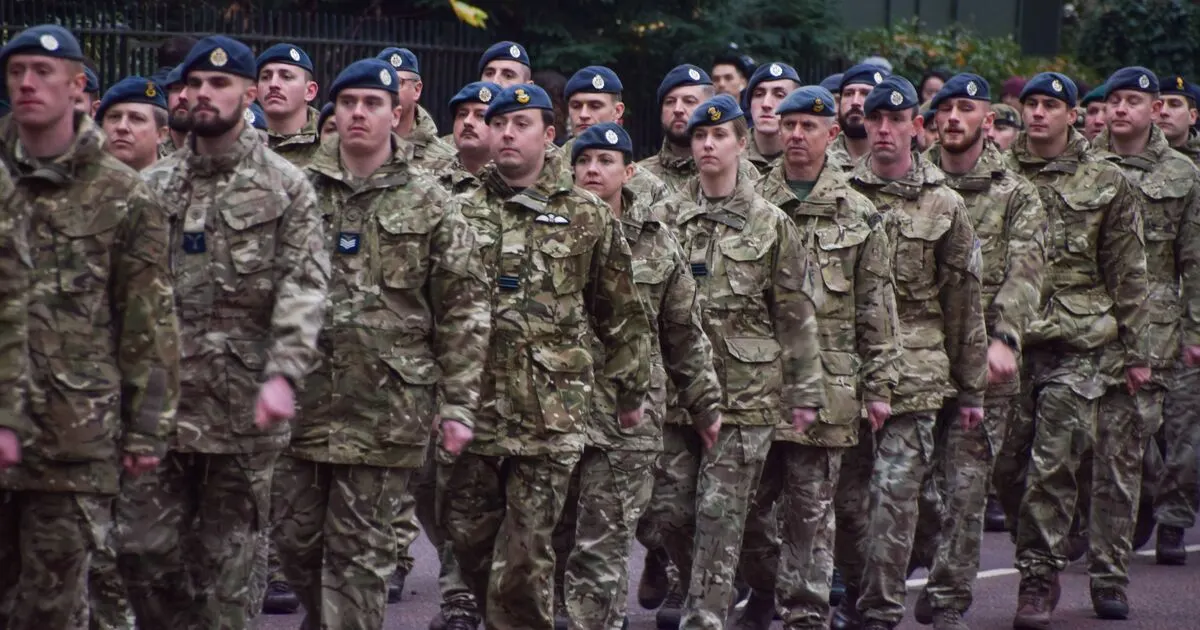
Professor Anthony Glees has warned that Britain should prepare for the possibility of conscription within six years if Russia’s war in Ukraine and tensions with NATO lead to a wider conflict. He urged the Government to recruit volunteers over the next three years, arguing that national preparation for defence matters because the Armed Forces are too small for a major war.
Glees said limited conscription of incentivised volunteers could be possible, while a wider European or world war would prompt a call-up. Former Army chief General Sir Patrick Sanders called for a Finnish-style citizen army of about 500,000, including regulars, reservists and volunteers, but did not advocate conscription. The Government says there are no current plans to reintroduce National Service and is examining how more people could be mobilised in a crisis.
In short
- An expert says Britain should prepare for possible conscription within six years.
- He urged volunteer recruitment over the next three years.
- The Government says it has no current plans to restore National Service.
Steelman: both sides, in good faith
The strongest fair case each way — we don't pick a winner.
The case for
Supporters of stronger mobilisation argue that Russia’s war in Ukraine and wider tensions with NATO make it prudent to prepare for a major conflict, especially when the Armed Forces are considered too small for one. Recruiting more volunteers and planning how to expand the force could improve deterrence and readiness; they may see limited, incentivised call-ups as a last resort if voluntary recruitment falls short.
The case against
Those wary of conscription can argue that a possible future conflict does not by itself justify compelling people to serve, particularly when the Government says it has no current plans to restore National Service. They may favour expanding regular, reserve and volunteer forces while weighing the financial, practical and personal costs of a call-up, and stress that planning for a crisis is different from predicting that war or conscription is imminent.
Explained simply
Britain’s Armed Forces are made up of full-time personnel, reservists and volunteers, and the Government has said it has no current plans to bring back National Service. Conscription means requiring people to serve in the armed forces; the UK used it during the two world wars and after the Second World War, ending it in 1960.
Professor Anthony Glees is a security academic who has argued that Britain should prepare for the possibility of a larger conflict involving Russia and NATO. Former Army chief General Sir Patrick Sanders has separately called for a larger citizen force, drawing on Finland’s mix of regular troops, reservists and volunteers; that proposal did not call for conscription. The debate concerns how Britain could staff its defences if tensions widened into war.