World news and discussion on TalkFuse.
Christmas tree alert as farmers issue major warning
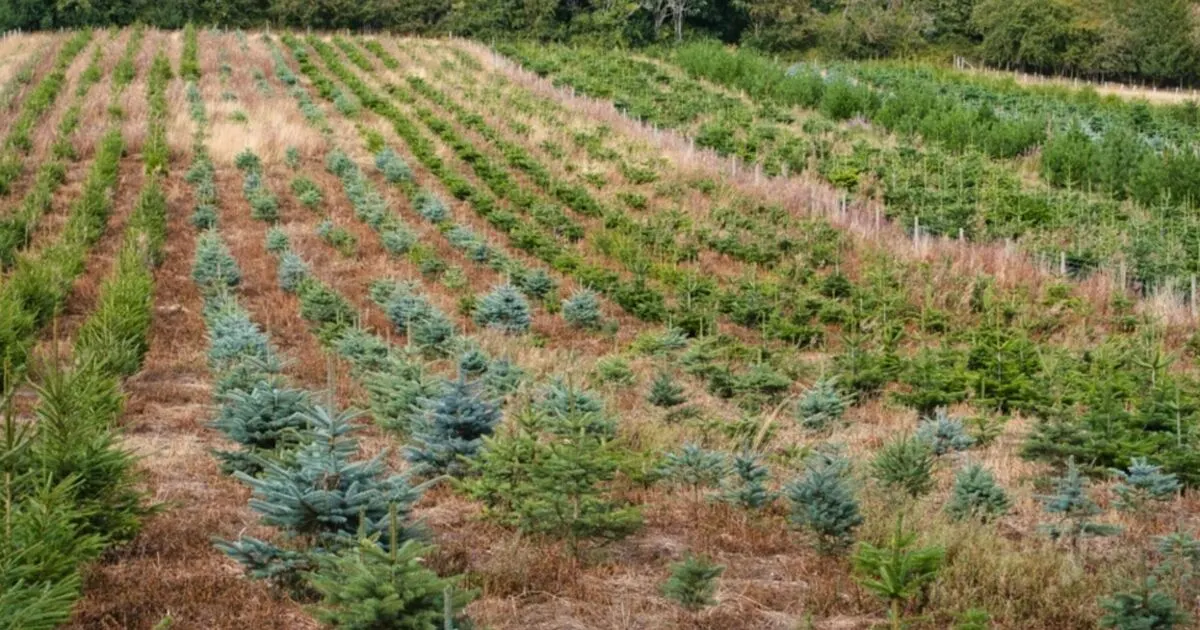
Christmas tree growers in Britain warn that this summer’s heat and drought have killed many young trees, potentially reducing supplies in years to come. The losses matter because trees sold this winter were generally planted around five years ago, so the effects on future harvests may take several years to appear.
Warwickshire Christmas Tree Farm lost 5,500 of 7,500 trees planted this year and 1,500 from the previous year, despite using up to 20,000 litres of water a day. A Shropshire grower reported losing 90% of trees in a sandy-soil field, while growers said young saplings were especially vulnerable and drought may also affect needle retention. Some farms are shifting planting from spring to autumn; the growers’ association says research is under way into more climate-resilient tree varieties, while its chair urged buyers not to panic.
In short
- Heat and drought have killed many young Christmas trees.
- Growers expect possible supply gaps in three to eight years.
- Farms are adapting planting times and researching resilient varieties.
Explained simply
Christmas trees sold in Britain are grown on farms, and many take around five years to reach the right size for sale. That means the trees harvested this winter were planted several years ago, so conditions now can affect supplies further down the line.
Young trees need water to establish their roots and are particularly vulnerable to hot, dry weather. The impact can vary between fields: soil that holds little water, such as sandy soil, can leave saplings more exposed to drought.
Growers and their association are looking at ways to adapt, including changing when they plant and researching varieties better suited to warmer, drier conditions. These choices matter because they may shape how reliably farms can grow trees in future.