Entertainment news and discussion on TalkFuse.
TIM GRAHAM: The blue wave brought a tidal wave of praise from TV networks
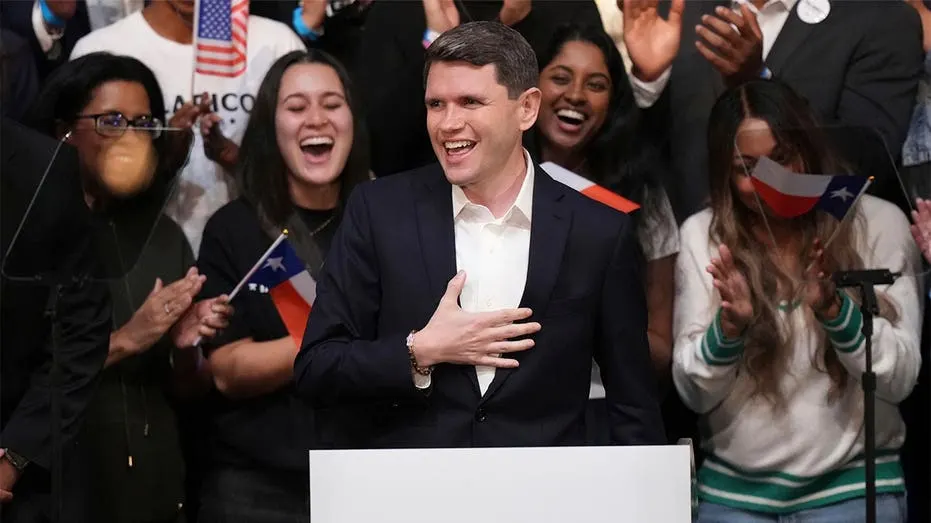
The article argues that US broadcast networks responded to Democratic victories in the 2026 midterm elections with unusually admiring interviews, which the author presents as evidence of partisan bias. It contrasts candidates’ messages about unity, kindness and faith with what it describes as the networks’ negative coverage of Republicans during the campaign.
The examples include ABC’s interview with Texas senator-elect James Talarico, and CBS hosts’ praise for Kansas senator-elect Adam Hamilton and his religious values. The article also says networks highlighted Abdul El-Sayed’s election as the first Muslim senator and framed criticism of his faith as prejudice. These are the author’s characterisations of the coverage; the supplied text gives no audience figures or systematic comparison of election-night reporting.
In short
- The author says networks warmly praised Democratic winners.
- Interviews featured messages about love, kindness and faith.
- The piece argues this reflects partisan bias.
Steelman: both sides, in good faith
The strongest fair case each way — we don't pick a winner.
The case for
The interviews’ warm tone and emphasis on Democratic candidates’ personal virtues could suggest that networks applied a more sympathetic standard to their victories than they had to Republican campaigns. If comparable Republican candidates received more sceptical treatment, that contrast would support concerns about partisan imbalance and about broadcasters presenting praise as news analysis.
The case against
Positive interviews may reflect the candidates’ messages and the news value of notable firsts, including El-Sayed’s election, rather than partisan favouritism. Without systematic comparisons of how networks treated candidates from both parties, a few examples and the author’s characterisations cannot establish that coverage was unusually admiring or that Republicans were treated more negatively.
Explained simply
US midterm elections decide which party controls seats in Congress, and some states also elect governors and other officials. Candidates from the Democratic and Republican parties compete for those positions, while television networks report on the results and interview winners.
The story focuses on how ABC and CBS interviewed several Democratic Senate winners, including Texas’s James Talarico and Kansas’s Adam Hamilton. It also discusses Abdul El-Sayed’s election as the first Muslim senator, as described in the supplied account.
The author argues that the networks’ praise for Democratic candidates showed partisan bias, and compares it with what the article describes as their coverage of Republicans during the campaign. The examples are the author’s interpretation of the broadcasts; the supplied account does not include audience figures or a systematic comparison of election-night coverage.