World news and discussion on TalkFuse.
Blackouts and water shortages in Kyiv after Russia strikes Ukraine’s energy grid
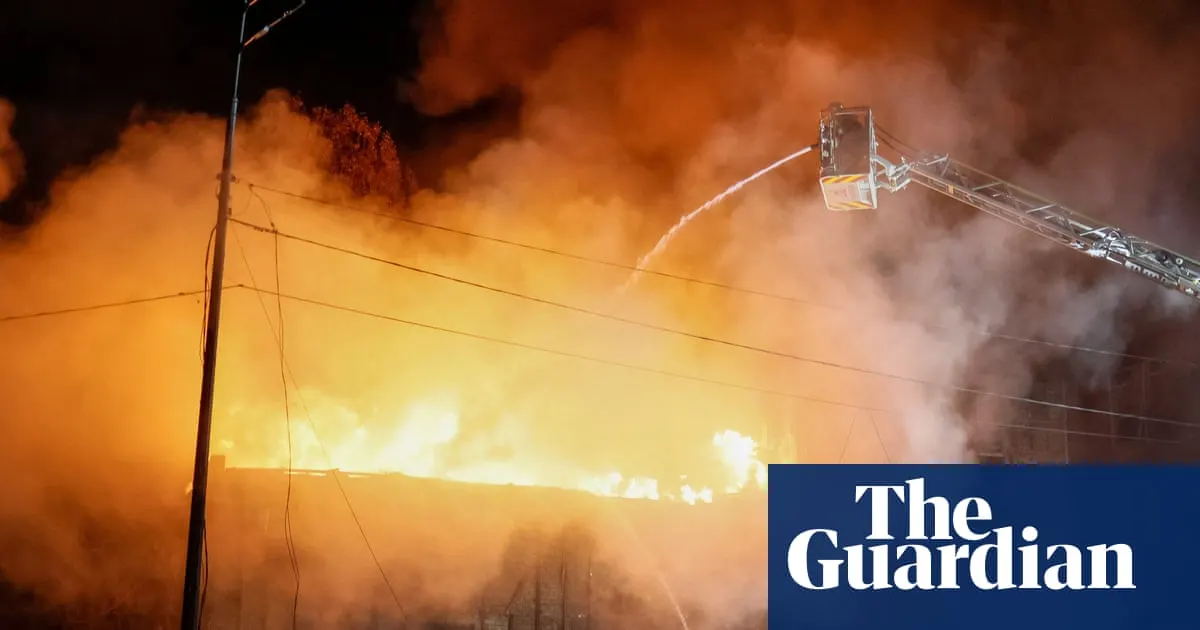
Russia launched 172 drones and 36 ballistic missiles at Kyiv and surrounding regions, striking energy infrastructure and damaging a bridge over the Dnipro. President Volodymyr Zelenskyy said the attack left the capital struggling with electricity, water and heating, and accused Moscow of seeking to plunge the country into darkness. The strikes came days before planned peace talks and underline the pressure on civilians as winter approaches.
Five people were injured, including a 14-year-old girl, and substations in five regions were targeted, including one linking two nuclear power plants to Kyiv. The Northern Bridge was closed for repairs; residents had already faced day-long power cuts and water interruptions during the week. Russia said it targeted energy and transport sites. Ukraine remains sceptical that the US-backed talks will produce results, and Zelenskyy says any broader European security discussions must follow an end to the war and meaningful guarantees for Ukraine.
In short
- Russian strikes hit Kyiv’s energy infrastructure with 172 drones and 36 missiles.
- Electricity, water and heating supplies were disrupted as winter approaches.
- The attack came days before planned peace talks in Abu Dhabi.
Steelman: both sides, in good faith
The strongest fair case each way — we don't pick a winner.
The case for
Russia’s stated case is that energy and transport infrastructure are legitimate targets because they support Ukraine’s wartime operations, and striking them may weaken those capabilities or increase pressure for a settlement. Supporters of this approach might argue that attacks on infrastructure can serve military aims without directly targeting civilians, provided the targets are genuinely military and the expected civilian harm is proportionate.
The case against
The strongest case against the strikes is that disabling electricity, water and heating systems predictably puts civilians at serious risk, especially as winter approaches, while damage to substations connected to nuclear plants raises wider safety concerns. Even when infrastructure has military uses, attacks must meet the laws of war, including protecting civilians and avoiding disproportionate harm; the reported injuries and disruption make those obligations central to scrutiny.
Europe Government Politics Russia-Ukraine War World