Politics news and discussion on TalkFuse.
New Zealand PM sees path back to office but vote ‘too close to call’
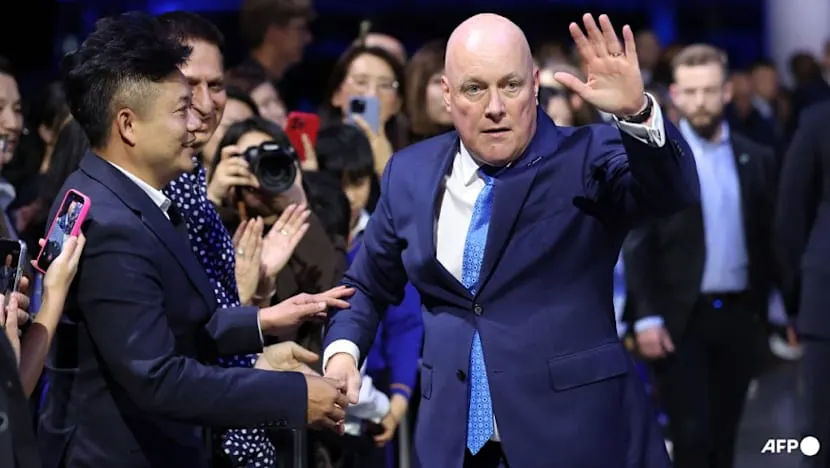
New Zealand’s election has left Prime Minister Christopher Luxon’s National Party and the centre-left Labour Party without a clear mandate to govern alone. National won the most seats in preliminary results, giving Luxon’s coalition a possible route back to office, but he said the outcome was too close to call and that compromise would be needed.
The two main parties each received about 29 per cent of the vote, with only a few thousand votes separating them. National and its partners NZ First and ACT were projected to have a majority of just two seats, while hundreds of thousands of special votes, including ballots from New Zealanders overseas, remain to be counted by 27 November. The centrist Opportunity Party passed the five per cent threshold for parliamentary representation and could influence which parties form the next government; the campaign focused heavily on living costs, unemployment and economic pressures.
In short
- National leads narrowly but cannot yet be sure of governing.
- Special votes could change the balance of power.
- The Opportunity Party may influence coalition talks.
Steelman: both sides, in good faith
The strongest fair case each way — we don't pick a winner.
The case for
National’s strongest case is that it won the most seats and, with NZ First and ACT, appears able to command a parliamentary majority, giving it a legitimate basis to continue governing. Supporters could argue that voters seeking economic stability and attention to living costs deserve a government able to pursue that programme, while the final count determines whether the apparent majority holds.
The case against
Labour’s strongest case is that the result is exceptionally close, the two main parties received similar vote shares, and a narrow projected majority is not yet confirmed while special votes remain uncounted. Its supporters could argue that the next government should reflect the final result and secure a clear, workable mandate through negotiation, rather than treating preliminary seat projections as settled authority.
Elections Government Politics World