Technology news and discussion on TalkFuse.
How does the digital ink in ereaders work?
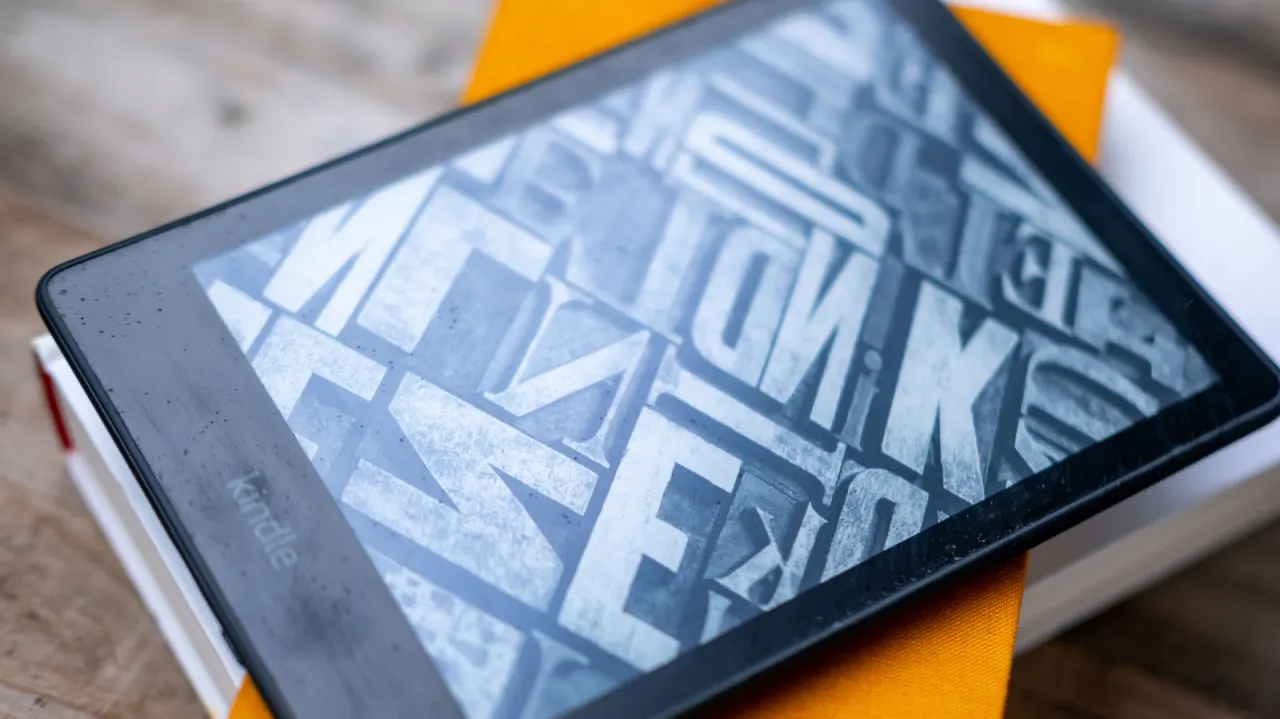
E-readers use electronic ink to produce a paper-like display that can remain visible without continually using power. This helps explain their long battery life and comfortable reading experience, while also limiting their suitability for fast-moving video and richly coloured images.
Tiny capsules contain particles that shift when brief positive or negative electrical charges are applied; once moved, the particles stay in place until the screen changes. Some colour displays use multiple particle types, but the article says leading E Ink products show up to 4,096 colours, compared with 16.7 million on even basic LCDs. E-ink also refreshes too slowly for smooth video, although 60Hz panels have recently become possible.
In short
- E-ink pixels hold their state without constant power.
- Reflecting ambient light helps create a paper-like reading experience.
- Slow refresh and limited colour constrain video and image quality.
Explained simply
Electronic ink is a display technology used in many e-readers. It is designed to look more like printed paper than the bright, constantly lit screens found on phones and tablets.
The screen contains tiny capsules with charged particles that move when brief electrical signals are applied. The particles stay in place after the signal stops, so the display can remain visible while using little power.
This helps e-readers run for a long time between charges and makes them suited to reading text. Electronic ink generally has fewer colours and updates less smoothly than LCD screens, which limits its use for video and detailed, colourful images.