World news and discussion on TalkFuse.
From K-dramas to BTS: How pop culture is reshaping tourism in South Korea
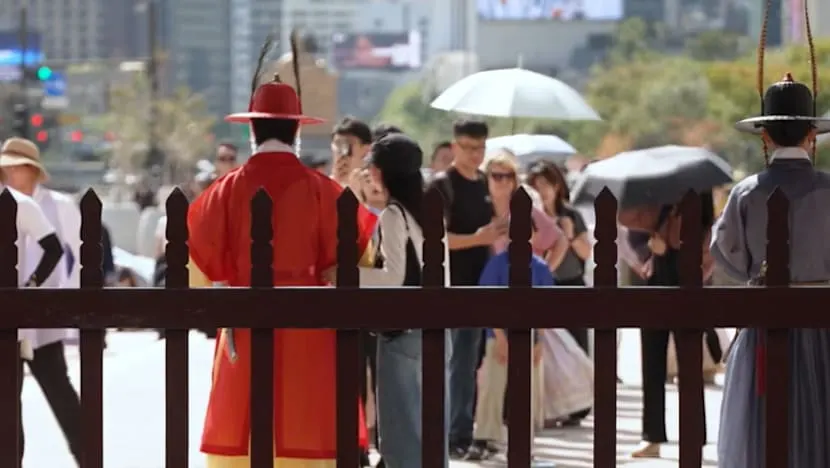
Korean dramas and K-pop are motivating international visitors to explore South Korea’s landmarks, customs and cities, creating new tourism opportunities. The trend matters to places such as Busan, where officials hope entertainment-driven visits will encourage repeat tourism and support communities facing population decline.
Visitors at Gyeongbokgung Palace rent hanbok to recreate looks from period dramas, while a record 55,515 foreign visitors joined temple stays last year; about one in 10 identified as Buddhist. Busan received more than 3.4 million foreign visitors from January to August, up 46 per cent year on year, and a hotel reported foreign guests made up roughly 70 per cent during BTS’s June concert dates, when occupancy reached about 95 per cent. Some local businesses question whether concert-goers stay long enough or spend enough to benefit the city.
In short
- K-dramas and K-pop are drawing visitors to South Korea.
- Busan’s foreign visitor numbers rose 46 per cent year on year.
- Officials want entertainment fans to become repeat visitors.
Steelman: both sides, in good faith
The strongest fair case each way — we don't pick a winner.
The case for
The popularity of K-dramas and K-pop gives visitors a personal reason to explore South Korea beyond its best-known attractions, supporting hotels, shops and cultural experiences. If destinations such as Busan turn concert visits into longer stays and repeat trips, the added tourism could bring income and activity to communities facing population decline.
The case against
Entertainment-driven tourism can be concentrated around brief events, leaving local businesses with limited gains if visitors spend little time or money in the city. There is also a risk that places and customs become backdrops for recreating scenes rather than experiences visitors engage with more deeply, making lasting community benefits uncertain.
Explained simply
South Korea’s global appeal now includes its television dramas and K-pop alongside its historic sites and customs. Some visitors seek out places seen on screen, rent traditional hanbok clothing at Gyeongbokgung Palace or try a temple stay.
The trend can bring visitors to cities beyond Seoul, including Busan, and create work for hotels and other local businesses. It also raises questions about how much visitors spend and whether they stay long enough for communities to benefit, particularly in places facing population decline.
Asia Celebrity Culture Entertainment Travel World