World news and discussion on TalkFuse.
‘I don’t know if I will still be alive tomorrow’: Dozens of Ethiopians ask the world for help from Saudi Arabia’s death row
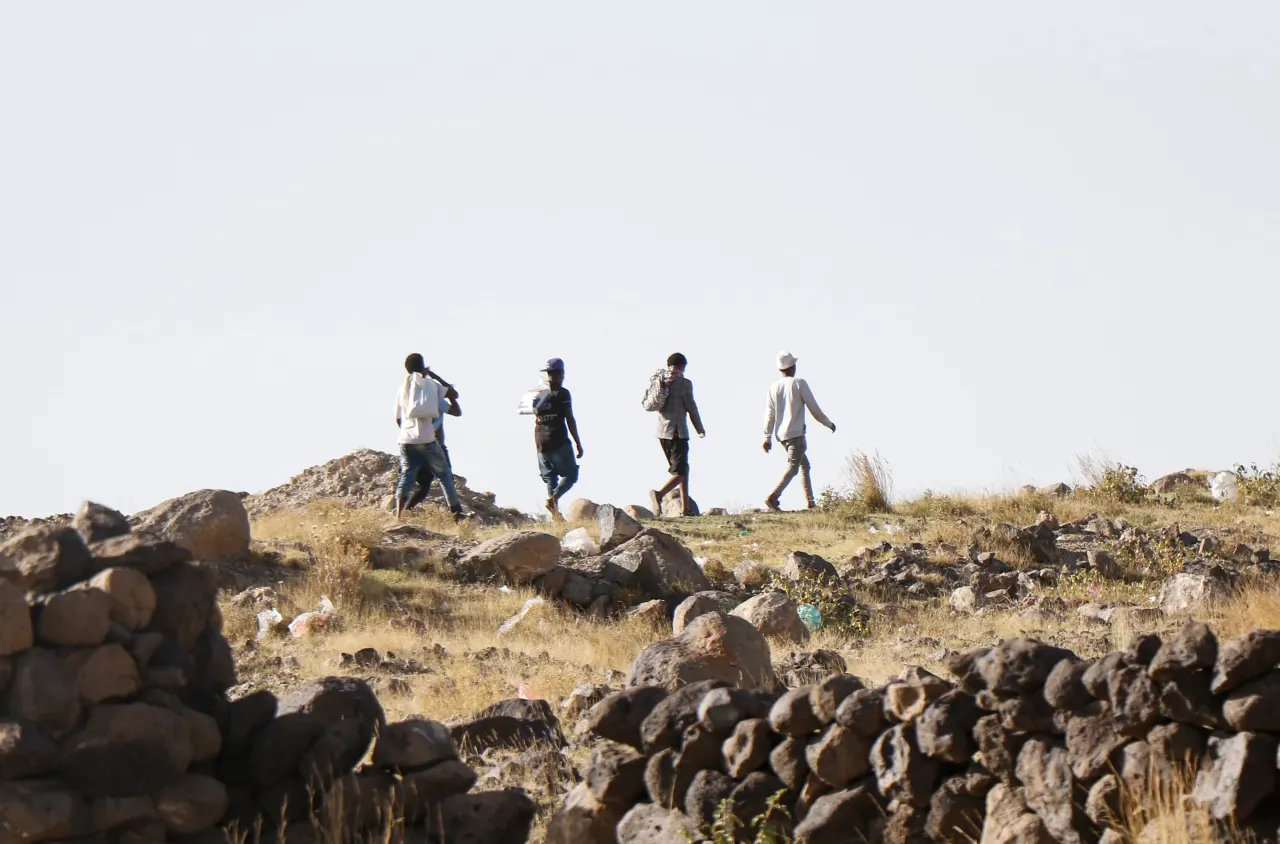
At least 76 Ethiopians are at imminent risk of execution in Saudi Arabia, as families, regional authorities and rights groups call for help. Two men on death row told the paper they fear being executed without warning, amid concerns that their trials lacked basic safeguards.
Amnesty International recorded 96 executions in Saudi Arabia between January and 22 June 2026, including 61 for drug-related offences; 39 of those executed were foreign nationals. Human Rights Watch says at least 20 Ethiopians were executed for drug trafficking from January to August, while the two men interviewed say they were sentenced for transporting hashish after trials without lawyers or interpreters. Saudi Arabia executed at least 356 people in 2025, according to Human Rights Watch, following 345 executions in 2024.
In short
- Rights groups say 76 Ethiopians face imminent execution in Saudi Arabia.
- At least 20 Ethiopians were executed for drug trafficking in 2026.
- Families and regional authorities seek fair trials, release or repatriation.
Steelman: both sides, in good faith
The strongest fair case each way — we don't pick a winner.
The case for
Saudi Arabia may argue that drug trafficking is a grave crime that causes serious social harm, and that firm penalties deter it and uphold public safety. A state also has a responsibility to enforce its laws consistently, while the reported figures alone do not establish whether each individual conviction was unsafe.
The case against
The men’s accounts and the reported lack of lawyers or interpreters raise serious concerns about whether they could understand the charges and defend themselves fairly. Where executions may occur without warning, the stakes make reliable safeguards especially important; rights groups and families can reasonably press for cases to be reviewed before irreversible punishment is carried out.
Explained simply
Saudi Arabia uses the death penalty for a range of crimes, including drug offences. People accused of crimes are tried in the country’s courts, but rights groups have raised concerns about whether some defendants have had access to lawyers and interpreters.
The people at the centre of this story are Ethiopian men held on death row in Saudi Arabia, their families and officials in Ethiopia, alongside rights organisations monitoring executions. Their cases matter because they raise questions about how foreign nationals are treated in Saudi courts and what help their governments can provide.
The reported executions form part of a wider rise in the use of the death penalty in Saudi Arabia. The figures cited by rights groups include many people convicted of drug-related offences and a substantial number of foreign nationals.