Entertainment news and discussion on TalkFuse.
Does Andy Burnham’s pivot from press to social media put scrutiny at risk?
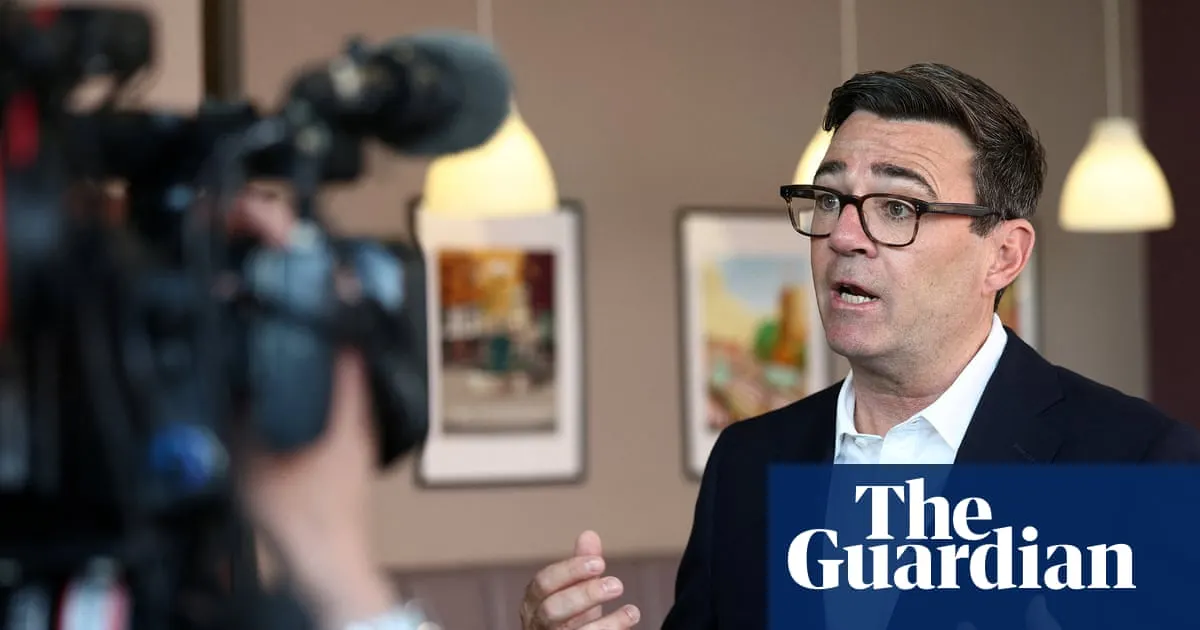
Andy Burnham’s shift towards social media, podcasts and influencer interviews has raised questions about whether he is receiving less scrutiny from journalists. At the Commonwealth summit, he travelled with only one television crew and a news agency journalist, and answered media questions for just seven and a half minutes across three days.
Downing Street says the summit allows limited journalist access and points to Burnham’s other interviews, including a recent robust ITV grilling. Burnham says social media content helps him connect with younger people and that traditional media is less relevant; critics warn that lighter formats may avoid the challenge of full press conferences and detailed questions from specialist reporters.
In short
- Burnham faced only seven and a half minutes of questions at the summit.
- Downing Street says he has taken part in other interviews.
- Critics say lighter media formats may reduce scrutiny.
Steelman: both sides, in good faith
The strongest fair case each way — we don't pick a winner.
The case for
Social media, podcasts and influencer interviews can help Burnham reach younger audiences who may not follow traditional news, and allow him to explain his work in more accessible formats. His defenders can also point to his recent robust ITV interview and argue that limited questioning at the summit reflected its access arrangements, rather than a deliberate effort to avoid scrutiny.
The case against
Traditional press conferences and interviews give journalists, including specialists, the chance to pursue detailed answers and test claims with follow-up questions. If Burnham increasingly chooses lighter or more controlled formats, audiences may receive less independent challenge; the brief access at the summit strengthens concerns about whether his approach provides enough scrutiny.
Explained simply
Andy Burnham is the mayor of Greater Manchester and a senior Labour politician. He has held national government roles and is a prominent public figure, so his comments and decisions are covered by journalists as well as reaching audiences through his own social media and interviews.
Journalists ask public figures questions on behalf of the public, including about their decisions, evidence and past statements. Social media and podcasts can reach people directly, while interviews and press conferences vary in how much time and scope they give reporters to follow up. The balance matters for how much information the public can examine and compare.
Entertainment Politics TV World